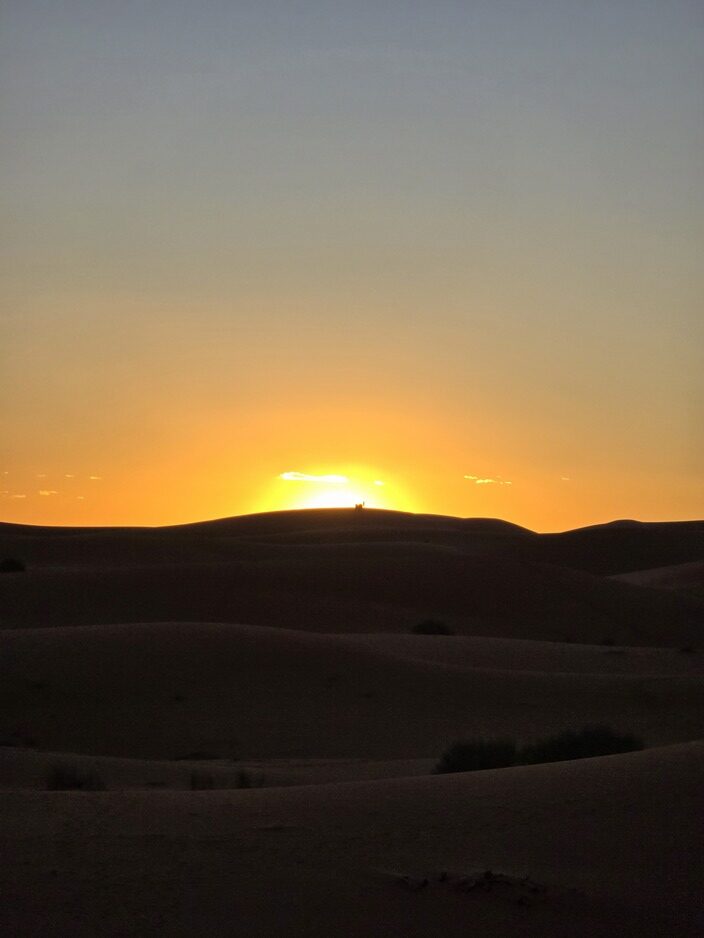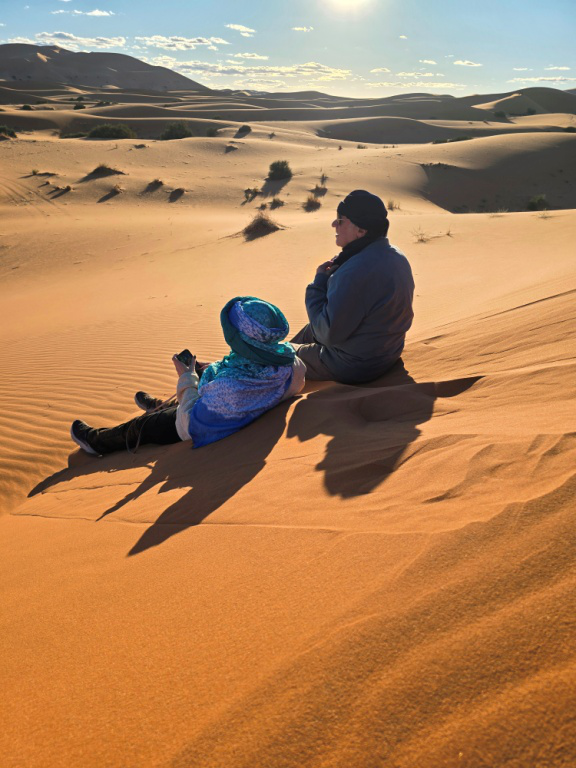
Planning a trip to Morocco often means deciding between two standout experiences: trekking in the High Atlas Mountains or taking a desert tour in the Sahara. Both offer unique activities, but they differ in fitness requirements, physical demands, climate, and cultural encounters. This article helps you choose by breaking down these factors in detail, so you can pick the option that suits your preferences and abilities.
Fitness Level: High Atlas Trek
Trekking in the High Atlas Mountains requires a solid fitness level. Most treks, like those to Mount Toubkal or through the Azzaden Valley, involve 5-8 hours of hiking daily over uneven, rocky terrain. You’ll face steep climbs, often reaching elevations above 3,000 meters, where altitude can make breathing harder. For example, a 2-day Toubkal trek includes a 1,200-meter ascent on the first day, which tests your endurance and leg strength. Winter treks add snow and ice, making trails slippery and demanding extra effort.
You don’t need to be an athlete, but you should train beforehand. Regular cardio, like running or cycling, and strength exercises, such as squats, prepare you for the physical challenge. If you’re not used to hiking or have limited stamina, shorter routes like a day trek in the Ourika Valley are more manageable, requiring only moderate fitness. Guides can adjust the pace, but you’ll still need to carry a backpack with essentials like water and warm layers. If you’re unfit or have health issues, the High Atlas might feel overwhelming, especially on multi-day treks.
Fitness Level: Desert Tour
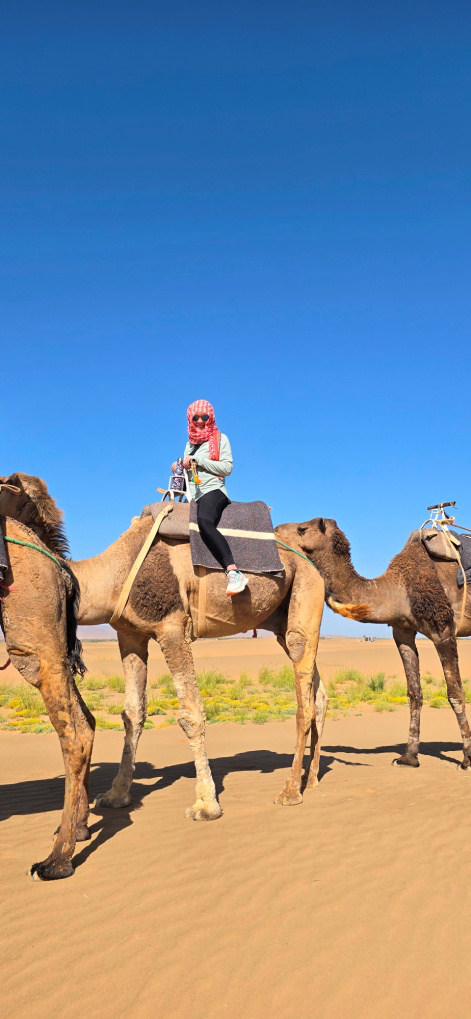
Desert tours in the Sahara are less physically demanding. Most involve driving from Marrakech to the desert, with activities like camel rides, short walks, or dune buggy rides. A typical 3-day tour to Merzouga includes about 10 hours of driving each way, with 1-2 hours of camel riding daily. Camel rides require balance and core strength but are manageable for most people, even those with low fitness levels. Short walks in the dunes, usually under an hour, are optional and flat, posing little challenge.
If you have mobility issues or prefer minimal exertion, desert tours are ideal. You’ll spend much of the time sitting in a vehicle or relaxing at a desert camp. However, long drives can be tiring, and you’ll need to handle bumpy roads. If you’re prone to motion sickness, prepare with medication. Overall, desert tours suit a wider range of fitness levels, from beginners to those avoiding strenuous activity.
Interest in Physical Activity: High Atlas Trek
If you enjoy active pursuits, High Atlas treks are a great choice. You’ll hike through rugged terrain, gaining a sense of achievement with every summit or pass. For example, a 3-day trek through the Tizi n’Tamgounsi Pass involves climbing to 3,200 meters, offering rewarding views and a test of your endurance. You’ll carry a daypack with water, snacks, and layers, and possibly use trekking poles or crampons in winter. Physical effort is constant, with breaks for meals or rest at guesthouses.
These treks appeal to those who like challenging themselves. You’ll feel your heart rate climb during ascents and work muscles you don’t use daily. Shorter options, like a 1-day Ourika Valley hike, still involve 3-4 hours of walking, keeping you active. If you prefer sedentary trips or dislike sweating, the High Atlas might not be for you. The focus is on movement, with cultural stops, like visiting Berber villages, as a secondary benefit.
Interest in Physical Activity: Desert Tour
Desert tours prioritize relaxation over physical exertion. If you prefer low-key activities, you’ll enjoy camel rides, which move at a slow pace, or leisurely walks to see desert oases. A 4-day Sahara tour might include a 1-hour camel ride to a camp, where you spend the evening eating, listening to local music, or stargazing. Optional activities like sandboarding add a bit of thrill without requiring much fitness.
You’ll have plenty of downtime, making desert tours ideal if you want to focus on scenery and culture rather than exercise. Long drives mean you’re sitting for hours, so if you crave constant activity, you might find this boring. The appeal lies in the calm pace, perfect for travelers who want to soak in the environment without pushing their physical limits.
Climate: High Atlas Trek
The High Atlas climate varies by season. In spring (March-May) and fall (September-November), you’ll get mild days (15-25°C) and cool nights (5-10°C). Winter (December-February) brings cold, with temperatures dropping to -15°C at higher elevations and snow on trails. Summer (June-August) can hit 30°C, making hiking sweaty but manageable with early starts. You’ll need versatile clothing: lightweight layers for warm days, insulated jackets for cold nights, and waterproof gear for rain or snow.
Weather can change fast, especially at high altitudes. You might start in sunshine and hit a snowstorm by afternoon. Check forecasts daily and pack for all conditions. If you dislike cold or unpredictable weather, avoid winter treks. Spring and fall offer the most comfortable conditions for hiking.
Climate: Desert Tour
The Sahara has a hot, dry climate, but nights are chilly. Spring and fall see daytime temperatures of 20-30°C, dropping to 5-15°C at night. Summer can reach 40°C, making daytime activities uncomfortable, though camps provide shade. Winter days are pleasant (15-25°C), but nights can dip to 0°C. You’ll need light clothing for days and warm layers for evenings, plus sunglasses and a hat for sun protection.
Rain is rare, but sandstorms can occur, especially in spring. Operators plan around weather, scheduling camel rides for cooler hours. If you prefer warm weather and don’t mind cold nights, desert tours are great year-round, with spring and fall being the most comfortable.
Cultural Experience: High Atlas Trek
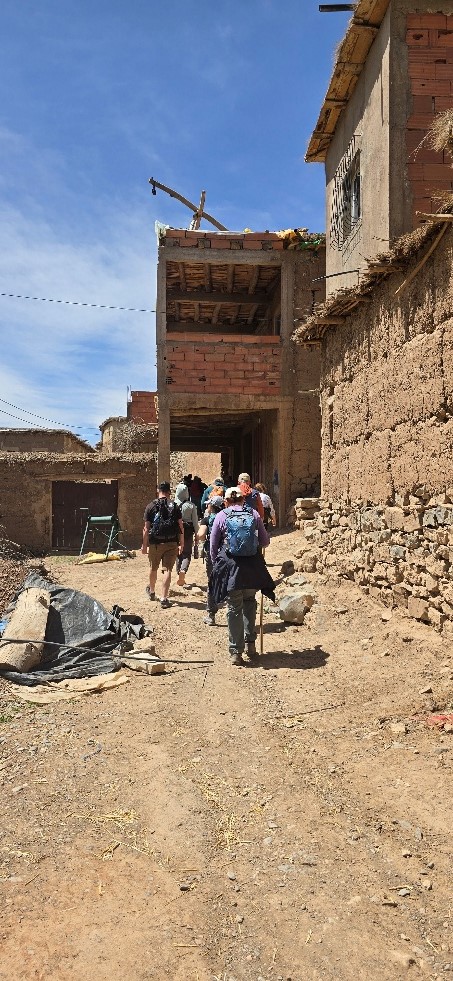
High Atlas treks offer deep cultural immersion. You’ll visit Berber villages, where locals live in mud-brick homes and farm terraced fields. A 3-day trek might include tea with a family or a meal in a guesthouse, giving you insight into their traditions. Guides often share stories about local customs, and you might see festivals or markets in villages like Imlil. The focus is on rural life, with fewer modern influences.
You’ll interact closely with locals, especially if staying in guesthouses. These encounters feel personal, but facilities are basic—think shared dorms and simple meals like tagine. If you want authentic cultural experiences and don’t mind rustic conditions, the High Atlas delivers.
Cultural Experience: Desert Tour
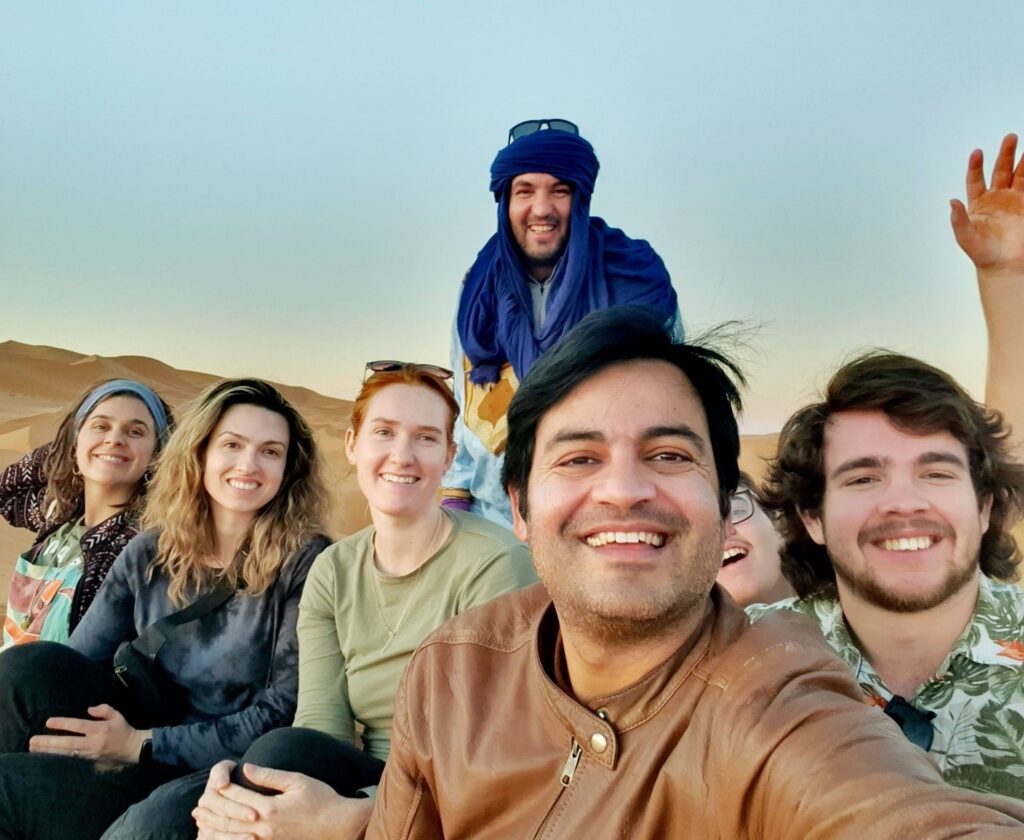
Desert tours focus on nomadic and Berber desert culture. You’ll stay in camps with traditional tents, eat meals like couscous, and hear music from local performers. A 3-day Merzouga tour might include a visit to a desert village or a kasbah, where you learn about historic trade routes. Guides explain nomadic lifestyles, and camel rides connect you to traditional transport.
Interactions are less frequent than in the Atlas, as desert camps are more isolated. The cultural experience is curated, with planned activities like music sessions. If you prefer structured cultural moments and modern comforts, like camp beds, desert tours are a good fit.
Picking Your Perfect Morocco Trip
Choosing between a High Atlas trek and a Sahara Desert tour depends on your priorities. If you’re fit, love physical challenges, and want rural cultural immersion, go for a trek. If you prefer relaxed activities, warm weather, and curated desert culture, choose a tour. Both offer unforgettable moments. Book with Omar Adventures for trekking in High Atlas Mountains, desert tours in Marrakesh, or small group tours to match your style. Plan your trip now!