Mount Toubkal, the highest peak in North Africa, remains one of Morocco’s most iconic trekking destinations. For 2025, Toubkal trekking continues to attract adventure enthusiasts from around the globe who seek both physical challenge and breathtaking mountain scenery. With updated information on trail conditions, preparation standards, guiding requirements, and climbing trends, hikers can now plan a safer, more enjoyable ascent.
Whether you are aiming for a single-day hike or a multi-day expedition, understanding the latest recommendations ensures that your Toubkal trekking experience is both rewarding and secure.
Updated Trail and Weather Conditions
In 2025, Toubkal trekking is influenced by increasingly unpredictable mountain weather. Spring and autumn are generally the most favorable seasons, with moderate temperatures and clear skies. Winter treks require advanced preparation due to snow, icy conditions, and shorter daylight hours.
Recent trends show that climate shifts have affected snowpack levels, making early spring ascents potentially more challenging.
Hikers are encouraged to monitor local weather reports and trail conditions before departure. Proper timing can prevent unnecessary risks, such as exposure to extreme cold, sudden storms, or challenging icy patches on high-altitude routes.
Additionally, trail maintenance has improved along major paths to Toubkal, including the route from Imlil. However, hikers should expect occasional rough sections, rocky terrain, and steep inclines. Updated trail maps and GPS devices are highly recommended for all trekkers.
Preparation Standards
Preparation is critical for a successful Toubkal trekking expedition. Physical fitness, appropriate gear, and careful planning are all essential components.
Hikers should engage in cardiovascular and strength training before attempting the climb, focusing on endurance and leg strength.
Gear recommendations include durable hiking boots with ankle support, waterproof clothing, layered attire for temperature changes, and gloves for high-altitude cold.
Trekking poles, insulated jackets, and reliable backpacks are also advised. Nutrition and hydration remain crucial; hikers should carry sufficient water, high-energy snacks, and easily portable meals.
Acclimatization is especially important for multi-day treks. Spending one or two nights at intermediate altitudes before the summit climb can reduce the risk of altitude sickness, ensuring a safer and more enjoyable ascent.
Guiding Requirements
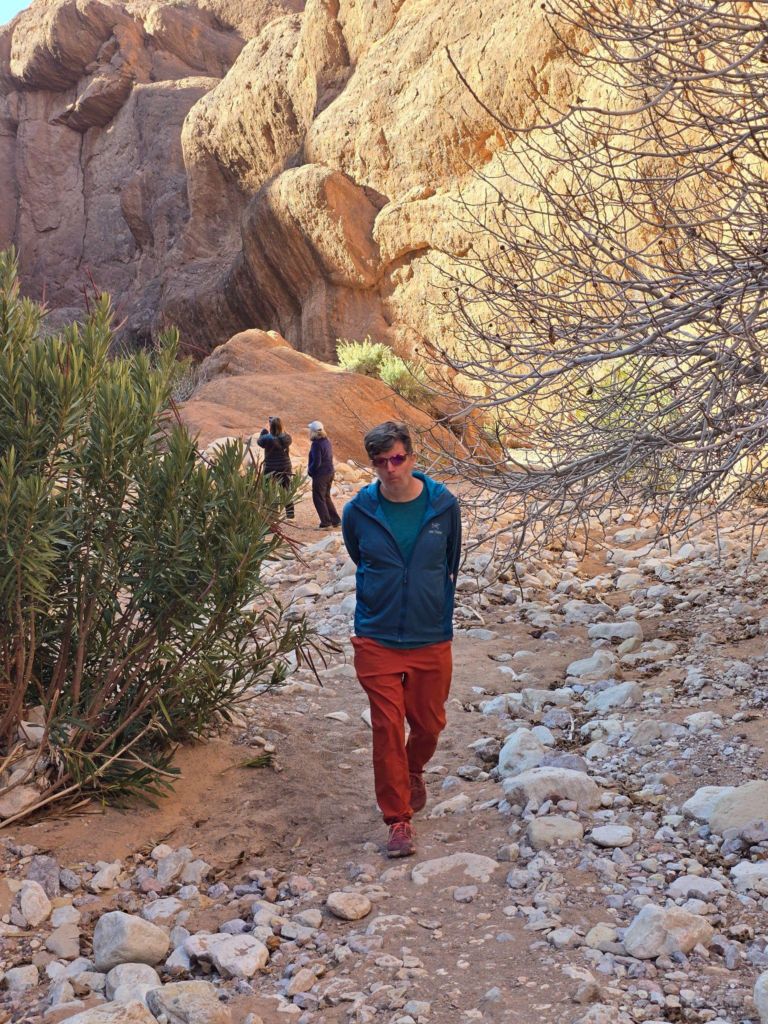
For safety and efficiency, guided Toubkal trekking trips are strongly recommended. Licensed local guides provide expert knowledge of the terrain, weather patterns, and cultural etiquette.
They are also essential for emergencies and logistical planning, such as organizing accommodations at mountain refuges.
Guides often help with route selection, pacing, and acclimatization strategies. Group treks with trained guides are particularly advantageous for first-time climbers or those unfamiliar with high-altitude hiking.
In 2025, there is an increasing trend toward small-group guided treks, which allow more personalized attention, flexibility, and cultural engagement during the ascent.
Popular Routes and Itinerary Options
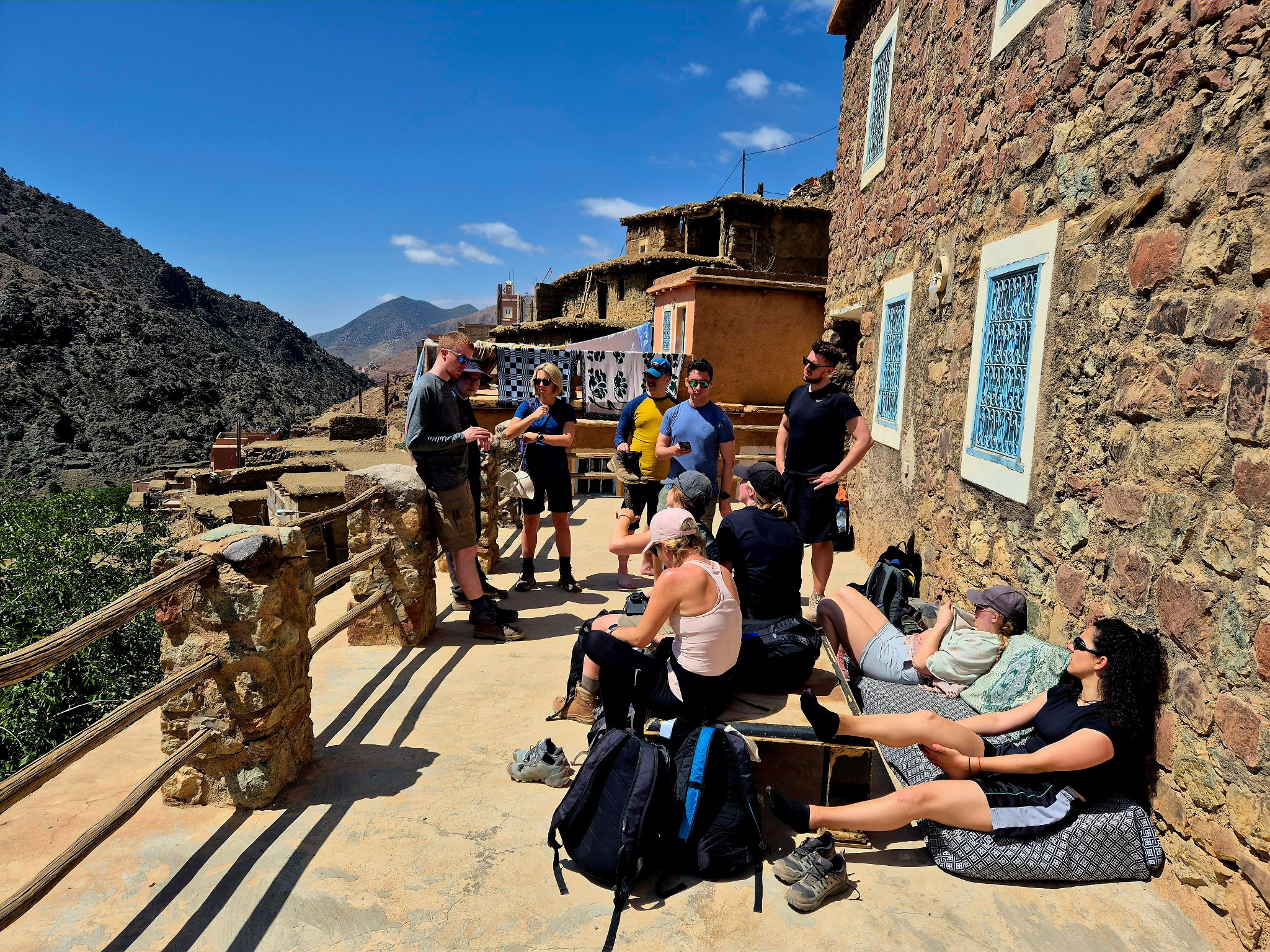
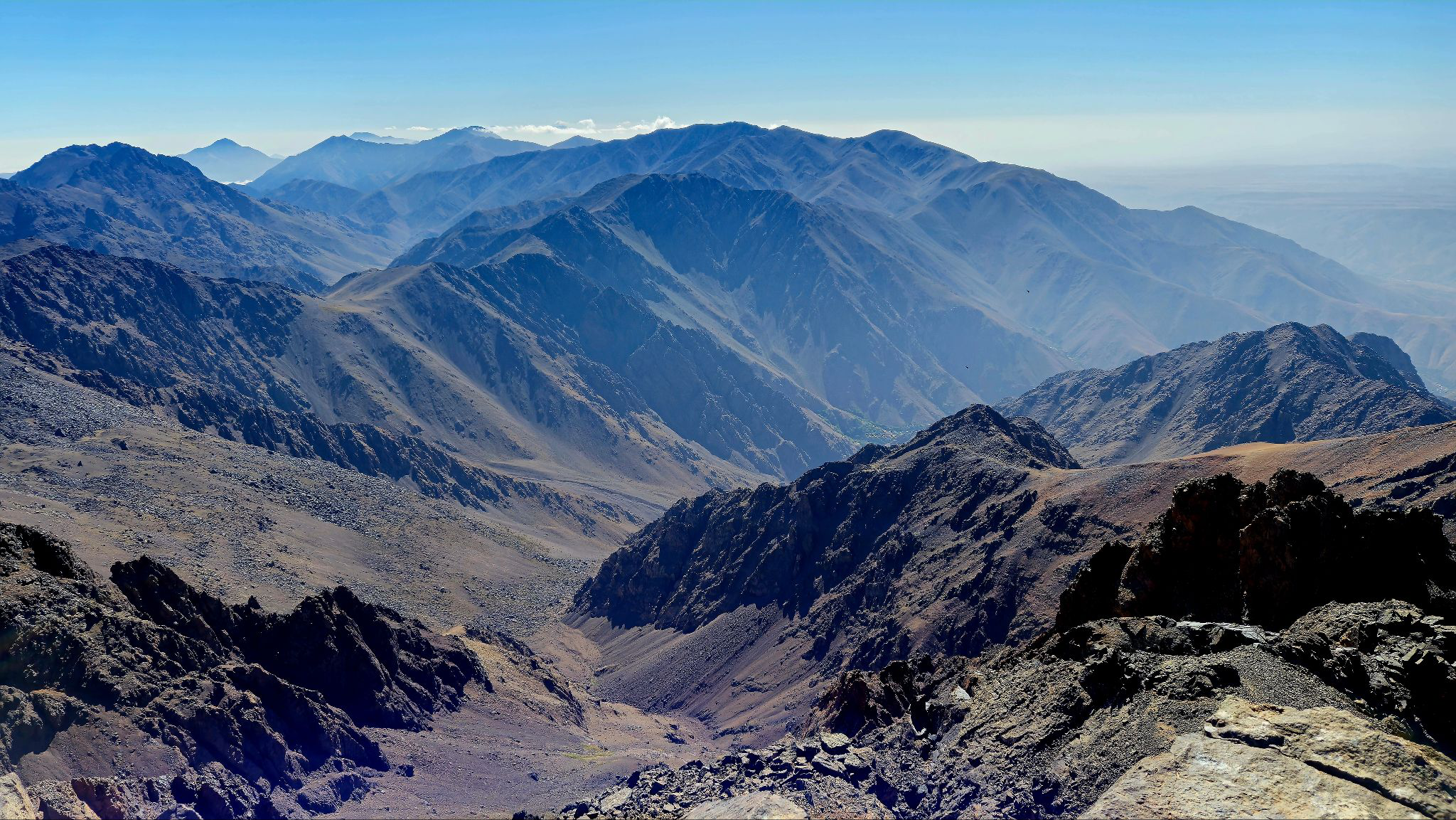
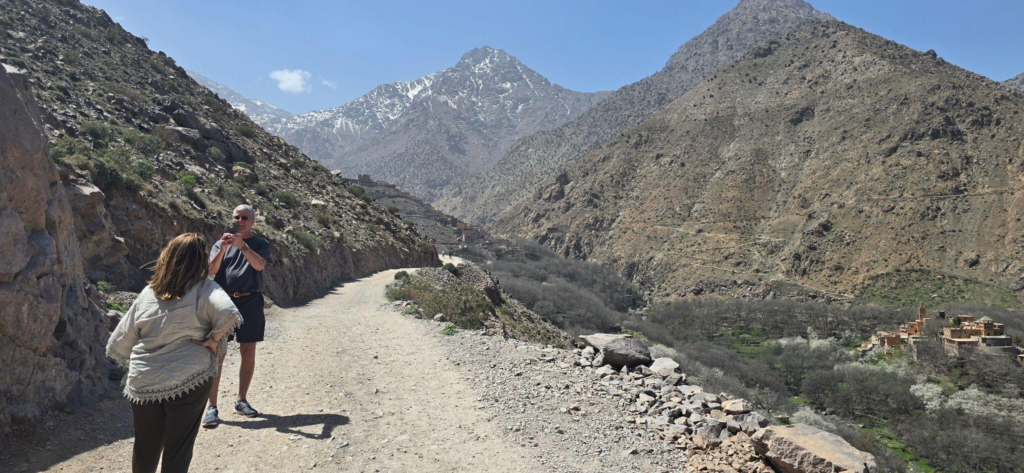
The standard route for Toubkal trekking starts from the village of Imlil, passing through Sidi Chamharouch and the Toubkal Refuge before reaching the summit. This path provides access to spectacular landscapes, traditional Berber villages, and panoramic views of the High Atlas Mountains.
Multi-day treks often include overnight stays at Toubkal Refuge or surrounding lodges, allowing hikers to rest and acclimatize before attempting the final summit push. Single-day hikes are feasible for experienced trekkers but require early starts and good physical conditioning.
Alternative routes offer varied challenges and scenic experiences, including less-traveled paths through remote valleys, waterfall areas, or challenging ridgelines. These routes are increasingly popular with hikers seeking solitude and a more adventurous trekking experience.
Safety Considerations
Safety is paramount for Toubkal trekking. Hikers should carry a fully charged mobile phone or satellite communication device, a first aid kit, and an emergency blanket. Knowledge of basic first aid and altitude sickness management is essential.
Weather conditions can change rapidly in the High Atlas Mountains, so flexibility in itinerary and preparedness for sudden storms or snow are critical. Trekking with a guide ensures immediate support in emergencies and enhances overall safety for both solo and group climbers.
Proper footwear and gear maintenance are also crucial. Boots must provide traction and ankle support, while clothing should allow layering to adapt to fluctuating temperatures. Hiking poles can help navigate steep or uneven sections, reducing the risk of injury.
Cultural Etiquette and Environmental Responsibility
Respect for local communities is an important aspect of Toubkal trekking. Many trails pass through Berber villages where travelers should adhere to local customs, dress modestly, and seek permission before photographing residents.
Environmental responsibility is equally vital. Hikers are encouraged to follow Leave No Trace principles, minimize waste, and avoid damaging fragile vegetation or wildlife habitats.
Staying in licensed accommodations, purchasing supplies from local vendors, and supporting community-based initiatives contribute to sustainable tourism in the High Atlas Mountains.
By practicing cultural and environmental awareness, trekkers not only ensure a respectful experience but also support the long-term preservation of Mount Toubkal and surrounding communities.
Recent Trends in Toubkal Trekking
2025 has seen several trends in Toubkal trekking. Small group treks are increasingly preferred for personalized attention, cultural interaction, and safety.
Luxury or high-comfort options are also gaining traction, with some treks offering guided services, gourmet meals, and upgraded accommodations at mountain refuges.
Adventure travelers are exploring alternative routes and winter treks, emphasizing the need for updated gear and professional guidance. Meanwhile, technology integration, such as GPS mapping apps, trekking fitness trackers, and digital communication tools, has made planning and executing climbs more precise and accessible.
Additionally, there is growing interest among solo travelers, who often join small, escorted groups for safety and social connection.
These developments highlight how Toubkal trekking continues to adapt to evolving traveler preferences without compromising safety or cultural integrity.
Health and Fitness Recommendations
A successful Toubkal trekking experience requires both physical and mental preparation. Hikers should gradually increase endurance and strength through regular exercise, focusing on cardio, leg strength, and balance. Practicing with weighted backpacks can simulate real trekking conditions.
Proper nutrition in the days leading up to the trek is essential, emphasizing carbohydrates, proteins, and hydration. During the trek, regular water intake, energy snacks, and adequate rest help maintain stamina.
Mental preparation is equally important; climbers should anticipate challenging conditions, stay patient with altitude adjustments, and maintain focus during steep or exposed sections.
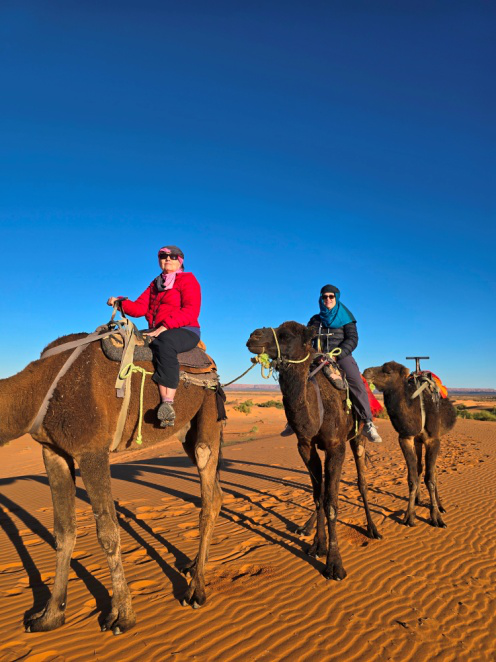
At Omar Adventures, we specialize in Toubkal trekking experiences designed for both adventure and comfort. Join us for hiking in Morocco’s Atlas Mountains, day trips from Marrakech, desert tours in Morocco, camel trekking in Morocco’s desert, Mount Toubkal trek, or luxury Morocco tours. Our experienced guides ensure safety, personalized pacing, and immersive cultural engagement.
Whether you are aiming for the summit or exploring nearby valleys, we provide seamless logistics and expert support, making your Toubkal adventure unforgettable. Contact us.