Winter presents one of the most demanding yet rewarding seasons for mountain adventures in Morocco. Among the most iconic challenges is the Mount Toubkal winter climb, a journey that combines high-altitude trekking, snow-covered trails, and breathtaking scenery.
Proper preparation, safety awareness, and expert guidance are essential for anyone planning this ascent, especially during colder months when conditions can change rapidly. As part of trekking in Morocco, winter climbs require thoughtful planning to ensure both achievement and safety.
Understanding Winter Conditions in the High Atlas
Winter transforms the High Atlas Mountains into a striking alpine environment. Snowfall, icy paths, and reduced daylight hours define this season, making trekking more technical than at other times of the year. Temperatures can drop significantly, especially at night, while strong winds are common at higher elevations.
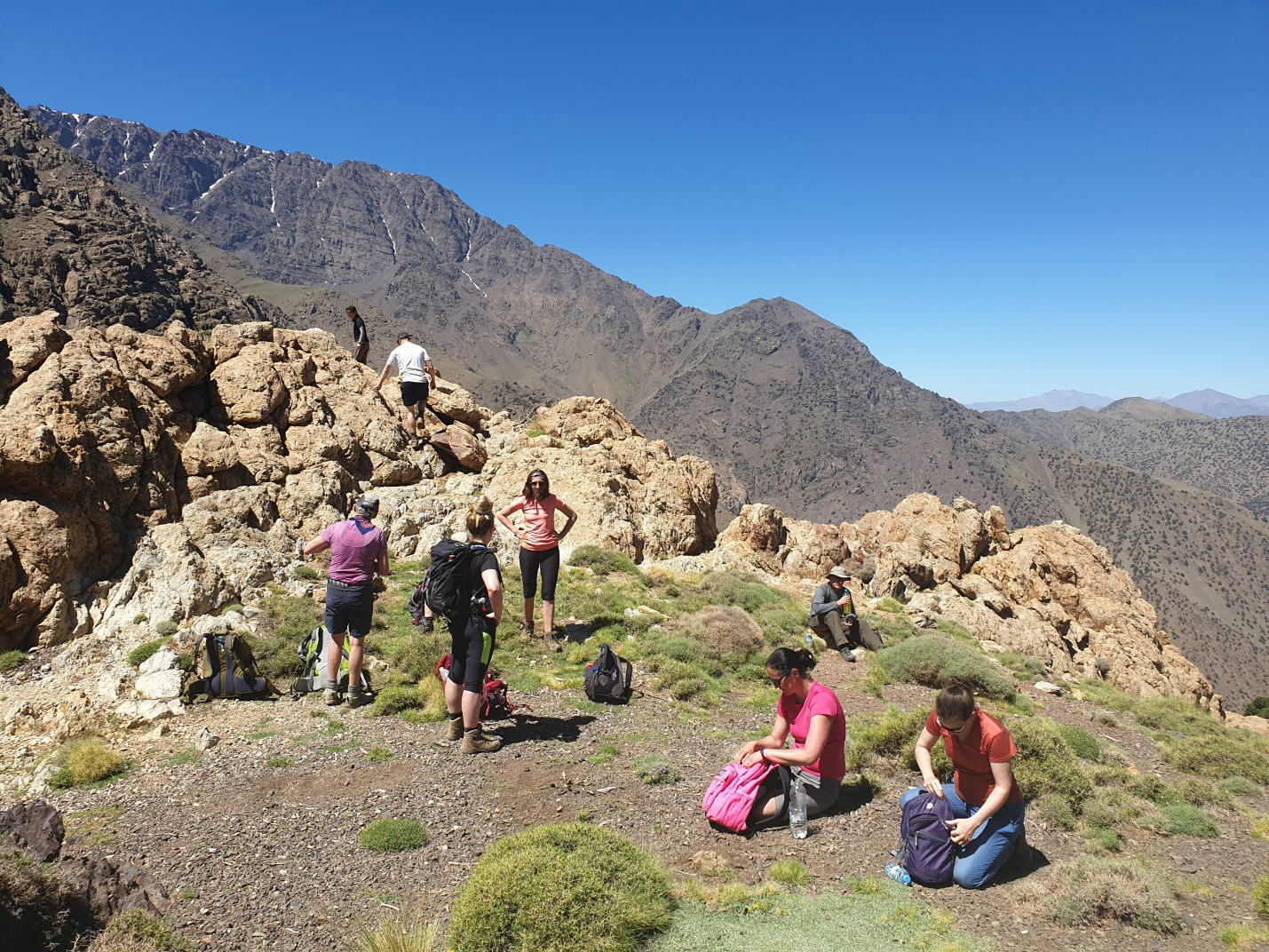
Trekkers should understand that winter conditions require slower pacing and increased attention to weather forecasts. Routes used during warmer seasons may demand alternative paths or additional equipment in winter. Those attempting a Mount Toubkal trek during this period must be prepared for snow-covered passes and limited visibility.
Physical Preparation for a Winter Ascent
Physical conditioning plays a critical role in a successful winter climb. Climbers preparing to climb mt toubkal should focus on building strength, stamina, and adaptability to cold environments. Effective preparation includes:
- Endurance training through long-distance walking or hiking
- Strengthening leg muscles with stair climbing and weighted exercises
- Cardiovascular workouts to improve breathing efficiency at altitude
- Practice hikes on uneven terrain to improve balance and stability
- Cold-weather conditioning to adapt to lower temperatures
Winter trekking also places extra strain on the body due to layered clothing and heavier packs. Acclimatization is essential, especially for travelers engaging in trekking, where altitude and cold combine to increase fatigue and demand careful pacing.

Essential Gear and Clothing for Winter Trekking
Having the right equipment is non-negotiable for winter safety. Packing should balance warmth, mobility, and protection without unnecessary weight. Recommended items include:
- Insulated waterproof boots suitable for snow and ice
- Thermal layers with moisture-wicking properties
- Windproof outerwear and insulated gloves
- Trekking poles for balance on icy trails
- Headlamps due to shorter daylight hours
For a Mount Toubkal winter climb, additional gear such as crampons or ice axes may be necessary, depending on conditions. Guides typically advise on required equipment based on the current trail status.
Safety Protocols and Guided Support
Winter trekking in the High Atlas demands strict adherence to safety protocols due to sudden weather changes, snowstorms, and icy terrain. These challenges increase risks for independent hikers, which is why guided tours are strongly recommended during winter ascents. Key safety measures include:
- Continuous monitoring of weather and trail conditions
- Route assessment and adjustments based on snow and visibility
- Controlled pacing to reduce fatigue and altitude-related risks
- Emergency preparedness, including first-aid and evacuation planning
Experienced guides play a vital role in ensuring a safe journey. A qualified tour guide briefs climbers on altitude symptoms, hydration needs, and cold exposure risks. Many winter travelers choose small group tours or tours for solo travellers to benefit from enhanced safety while maintaining a personalized trekking experience.
Route Planning and Daily Itineraries
Winter itineraries are carefully structured to maximize safety and comfort. Early starts allow trekkers to take advantage of firmer snow conditions and better visibility. Rest stops are planned strategically to prevent overexertion and exposure.
Multi-day routes associated with Toubkal trekking often include overnight stays that allow gradual acclimatization. This approach is consistent with best practices in Morocco trekking tours, where pacing and flexibility are prioritized over speed.
Managing Altitude and Cold Exposure
Altitude sickness can affect climbers regardless of experience. Symptoms may intensify in cold weather, making careful monitoring essential. Hydration, proper nutrition, and controlled pacing are critical during a hiking tour.
Cold exposure presents additional challenges. Frostbite and hypothermia risks increase with wind chill and fatigue. Guides trained in winter conditions help identify early warning signs and adjust plans as needed, ensuring climbers remain safe throughout the ascent.
Combining Winter Trekking with Broader Travel Experiences
Many winter travelers integrate their climb with other adventures as part of Trekking in Morocco. While winter limits some activities, combining mountain trekking with cultural experiences or lower-altitude walks enhances the overall journey.

Responsible and Sustainable Winter Travel
Sustainability remains an important focus, even during winter. Trekkers are encouraged to respect local customs, minimize waste, and follow designated paths to protect fragile alpine environments. Responsible practices are central to modern trekking in the Atlas Mountains, ensuring long-term preservation of the region.
Trek with Confidence with Omar Adventures
Omar Adventures specializes in expertly guided mountain experiences, offering structured itineraries designed specifically for winter conditions. Our experienced team supports travelers throughout every stage of the Mount Toubkal trek, from preparation and equipment advice to safe summit attempts.
By choosing Omar Adventures, climbers benefit from local expertise, safety-focused planning, and authentic cultural insight. Our commitment to responsible travel and personalized service ensures every winter ascent is both rewarding and secure, making them a trusted choice for trekking tours in all seasons.
Contact us now to plan your winter mountain adventure with experienced local guides and enjoy a well-prepared, safe, and rewarding trekking journey through the High Atlas.