What if the most memorable moments in the mountains weren’t found on crowded paths, but on silent ridgelines where the only sounds are wind and distant footsteps? As global adventure travel continues to grow, many hikers now actively seek quieter, less congested routes rather than popular trails. That demand for solitude, authenticity, and connection has reshaped expectations around hiking in Morocco Atlas Mountains, especially in high-altitude regions where crowds thin and experiences feel deeply personal.
This is where high Atlas hiking stands apart. Far beyond the familiar routes, the High Atlas offers remote treks that reward effort with isolation, raw mountain beauty, and meaningful local encounters.
In this guide, we walk through lesser-known high-altitude routes, what makes them special, and how trekkers can prepare for trekking in Morocco High Atlas Mountains while avoiding the busy corridors most travelers never leave.
Why the Lesser-Traveled High Atlas Matters
The High Atlas Mountains stretch across central Morocco with elevations that rival many European alpine regions. While some areas receive heavy foot traffic, many valleys and passes remain largely untouched by mass tourism.
Choosing quieter routes offers several distinct advantages:
- Solitude at altitude, even during peak seasons
- Unfiltered cultural encounters in villages rarely visited by day trippers
- Natural settings shaped by weather and time, not infrastructure
- A deeper physical challenge for experienced hikers
For those serious about trekking in Atlas mountains, these routes deliver a sense of purpose that standard itineraries cannot replicate.
Remote High-Altitude Trails Worth the Effort
1. Aït Bouguemez Side Valleys
Often referred to as the “Happy Valley,” Aït Bouguemez is well known—but its side valleys remain surprisingly quiet. Once we move beyond the main settlement areas, narrow footpaths climb toward high summer pastures and ridgelines used almost exclusively by local shepherds.
What defines these routes:
- Gradual elevation gains followed by steep ascents
- Overnight stays near seasonal grazing areas
- Views across layered mountain ridges with no visible roads
These treks highlight the human rhythm of life in the High Atlas while maintaining the isolation adventurous hikers value.
2. The M’Goun High Pass Routes
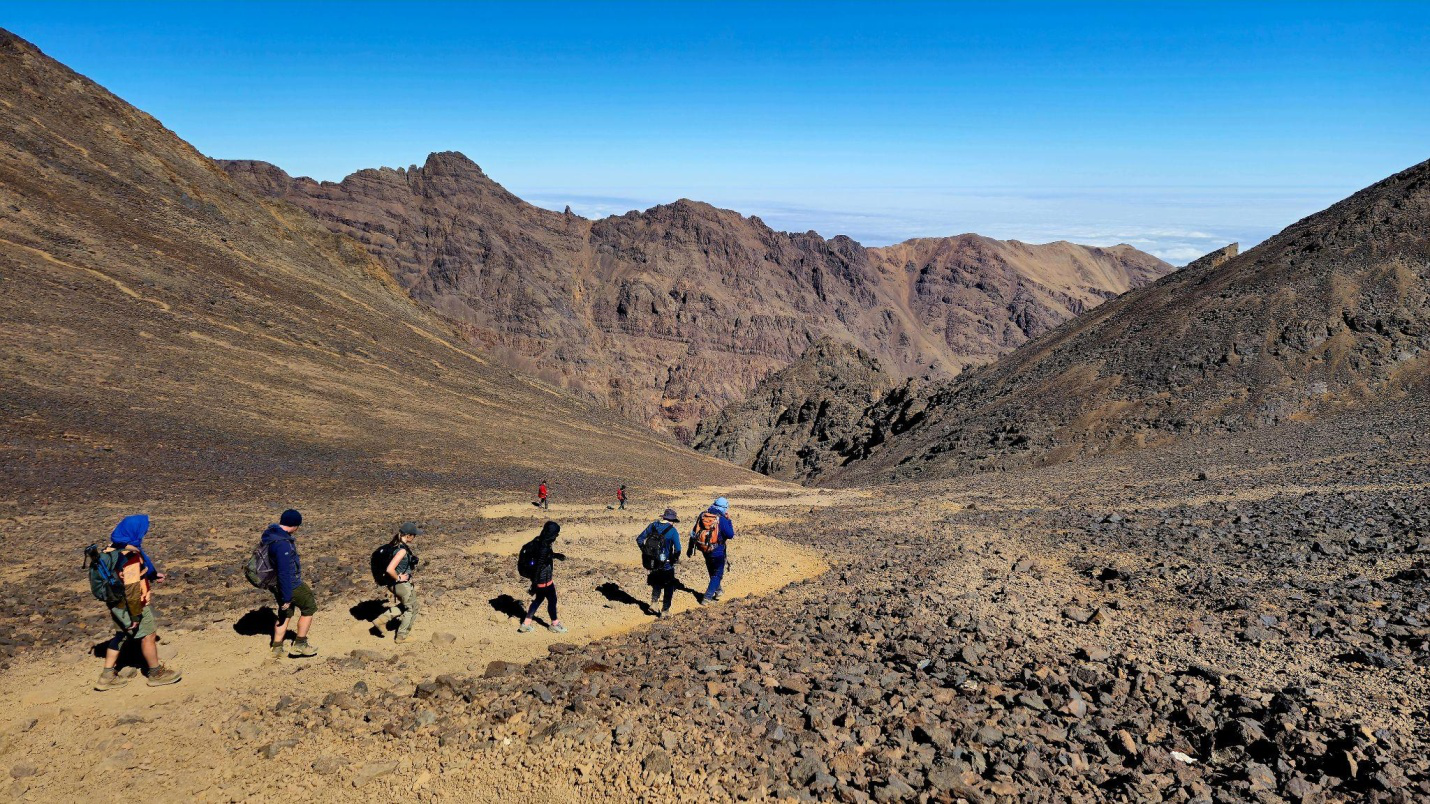
Mount M’Goun itself attracts attention, but the surrounding passes receive far fewer visitors. High-altitude crossings between valleys demand stamina, route awareness, and respect for shifting weather.
We encounter:
- Long ascents above 3,000 meters
- Rocky passes shaped by snowmelt and wind
- Remote camping areas with uninterrupted night skies
This style of trek in Atlas Mountains suits hikers who value endurance and quiet over summits and recognition.
3. Upper Zat Valley Approaches
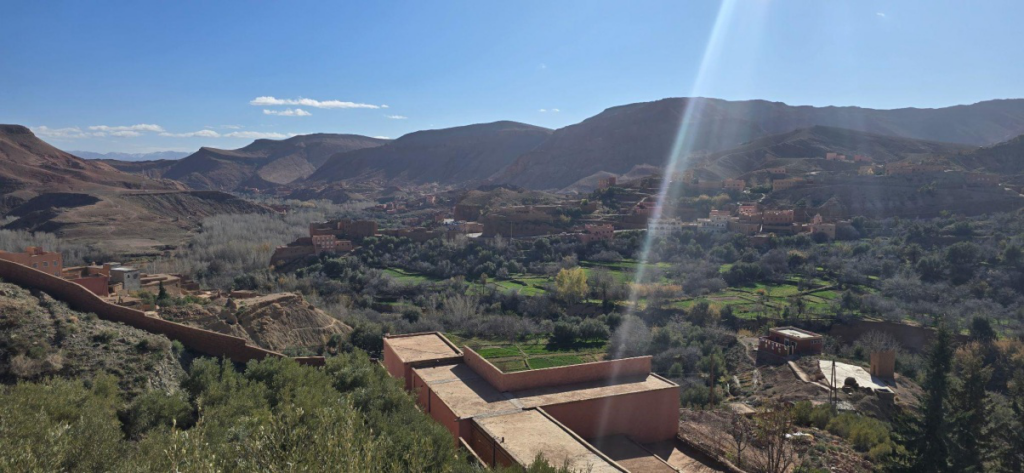
Many travelers take an Atlas Mountains day trip from Marrakech into the lower Zat Valley, but very few continue upward. Beyond the reach of vehicles, trails climb sharply into sparsely inhabited zones where villages sit days apart.
Key characteristics include:
- Stone-built settlements rarely photographed
- High plateaus used for seasonal farming
- Minimal trail markers requiring local knowledge
For hikers seeking trekking in Morocco High Atlas Mountains with cultural depth, these routes offer rare insight into mountain life.
What Makes These Trails Physically Demanding
Hidden high-altitude routes require more than enthusiasm. They demand preparation rooted in reality, not social media imagery.
We must account for:
- Altitude adaptation, as many routes exceed 2,800 meters
- Variable terrain, including scree, snow patches, and exposed ridges
- Weather shifts, particularly in spring and autumn
- Limited access to supplies, increasing reliance on careful planning
High Atlas hiking rewards those who respect the environment rather than rushing through it.
Local Encounters Beyond the Main Paths
One of the most meaningful aspects of trekking in Atlas Mountains is interaction with Amazigh communities. In remote areas, these encounters feel organic rather than staged.
We often experience:
- Invitations for mint tea without expectation
- Shared meals using seasonal ingredients
- Conversations shaped by gestures as much as words
These moments do not follow a schedule, yet they often define the entire trek.
Choosing the Right Season for Remote Treks
Timing plays a decisive role in high-altitude success.
Spring (April–June):
- Snow remains on higher passes
- Valleys bloom briefly before summer heat
- Rivers may be difficult to cross
Autumn (September–October):
- Clear skies and cooler temperatures
- Harvest season in mountain villages
- Stable conditions for longer treks
Summer heat limits lower routes, while winter restricts access entirely without technical skills.
Preparation Tips for Serious Hikers
Before committing to hidden routes, we recommend focusing on fundamentals:
- Break in footwear suitable for rocky terrain
- Train for sustained elevation gain
- Pack layers for temperature swings
- Respect local customs and private land
These details matter more on isolated trails, where mistakes carry greater consequences.
When Day Trips End and Real Trekking Begins
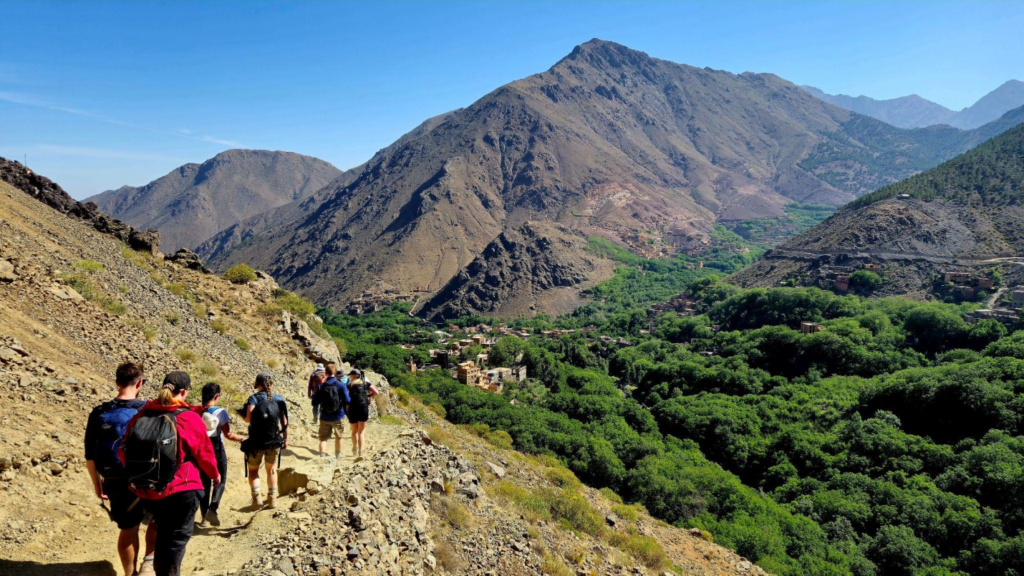
Many visitors start with an Atlas Mountains day trip from Marrakech, unaware of how quickly the terrain changes once vehicles stop. True trekking in Atlas Mountains begins where roads end, and decisions matter.
Remote trails are not about ticking destinations off a list. They reward patience, adaptability, and a willingness to accept uncertainty.
Could Your Next Hike Be the One That Changes How You See the Mountains?
For hikers ready to move beyond familiar routes and experience high Atlas hiking in its quietest form, thoughtful planning makes all the difference.
Omar Adventures helps connect adventurous travelers with remote High Atlas routes guided by deep regional knowledge, allowing us to focus on the challenge, the setting, and the people we meet along the way.
When solitude, altitude, and authenticity matter, reaching out is the first step toward a trek shaped by meaning rather than crowds.