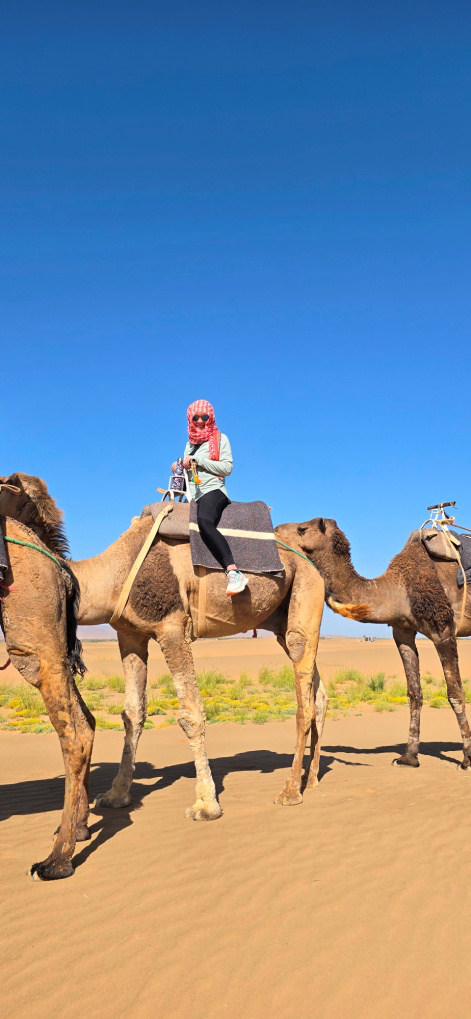
What does it really take to spend days walking through remote mountain villages, high passes, and rugged trails far from city life?
With trekking tourism in Morocco growing significantly in recent years, more travelers are turning toward the High Atlas Mountains for multi-day experiences that go beyond a simple Atlas Mountains day trip from Marrakech.
For those of us seeking a deeper connection with nature and culture, trekking in Atlas Mountains regions offers something truly meaningful.
In this guide, we break down terrain, accommodations, and preparation so we know exactly what to expect before setting out.
Understanding the Terrain in the High Atlas Mountains
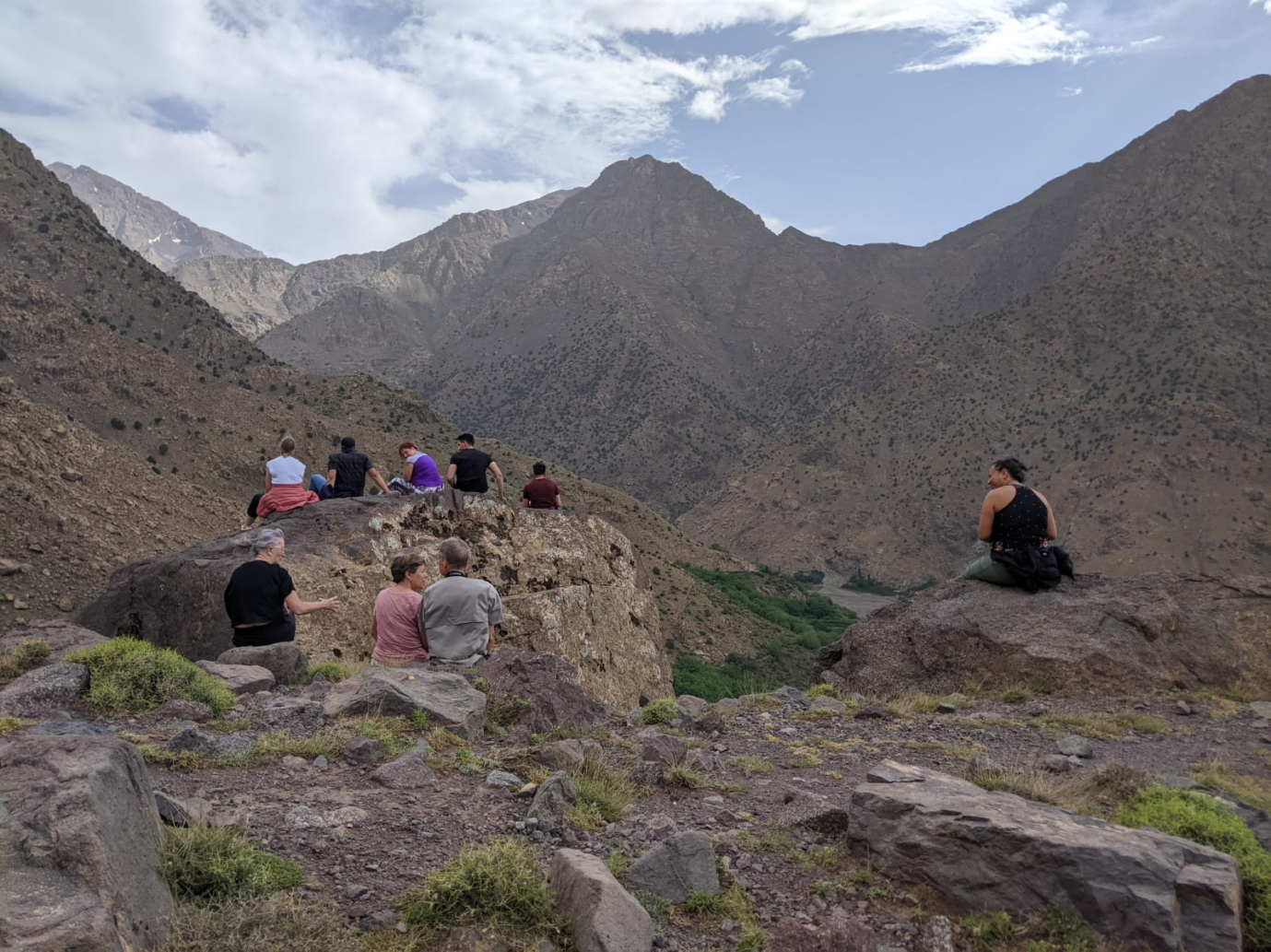
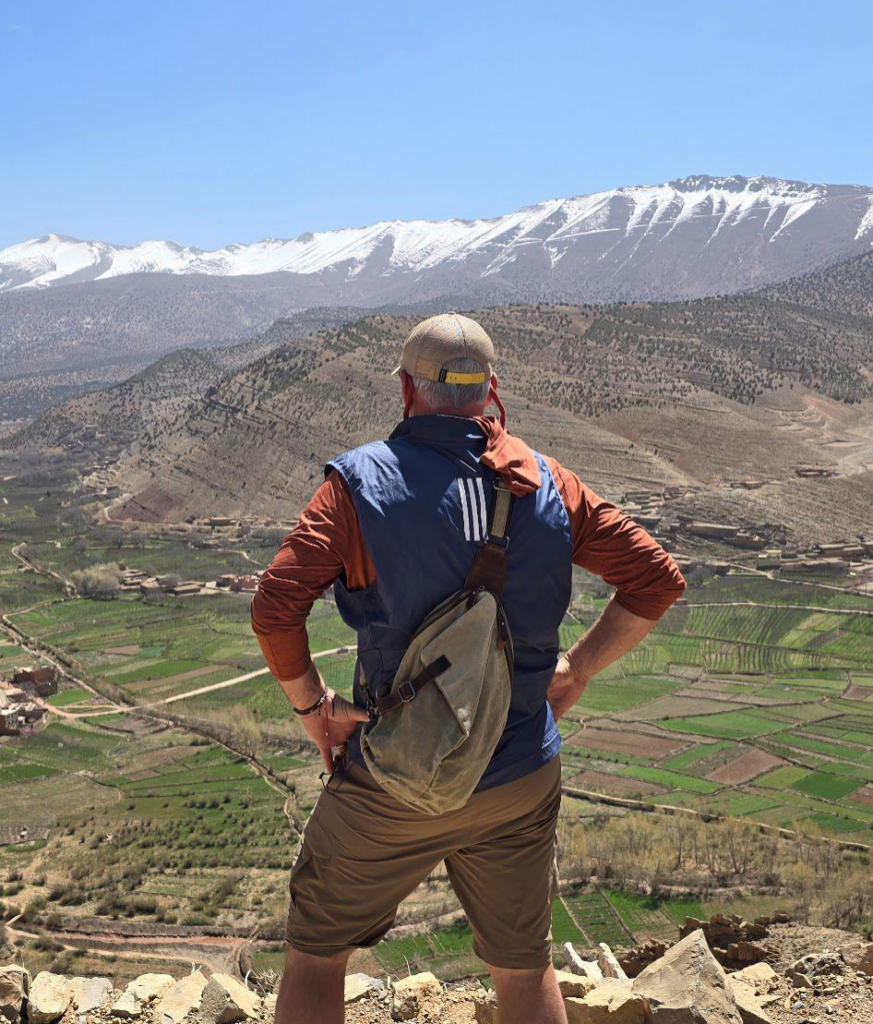
When we think about hiking in Morocco Atlas Mountains terrain, variety is the first thing that comes to mind. The High Atlas Mountains are known for their dramatic elevation changes, traditional Berber villages, and wide valleys.
What the trails are like
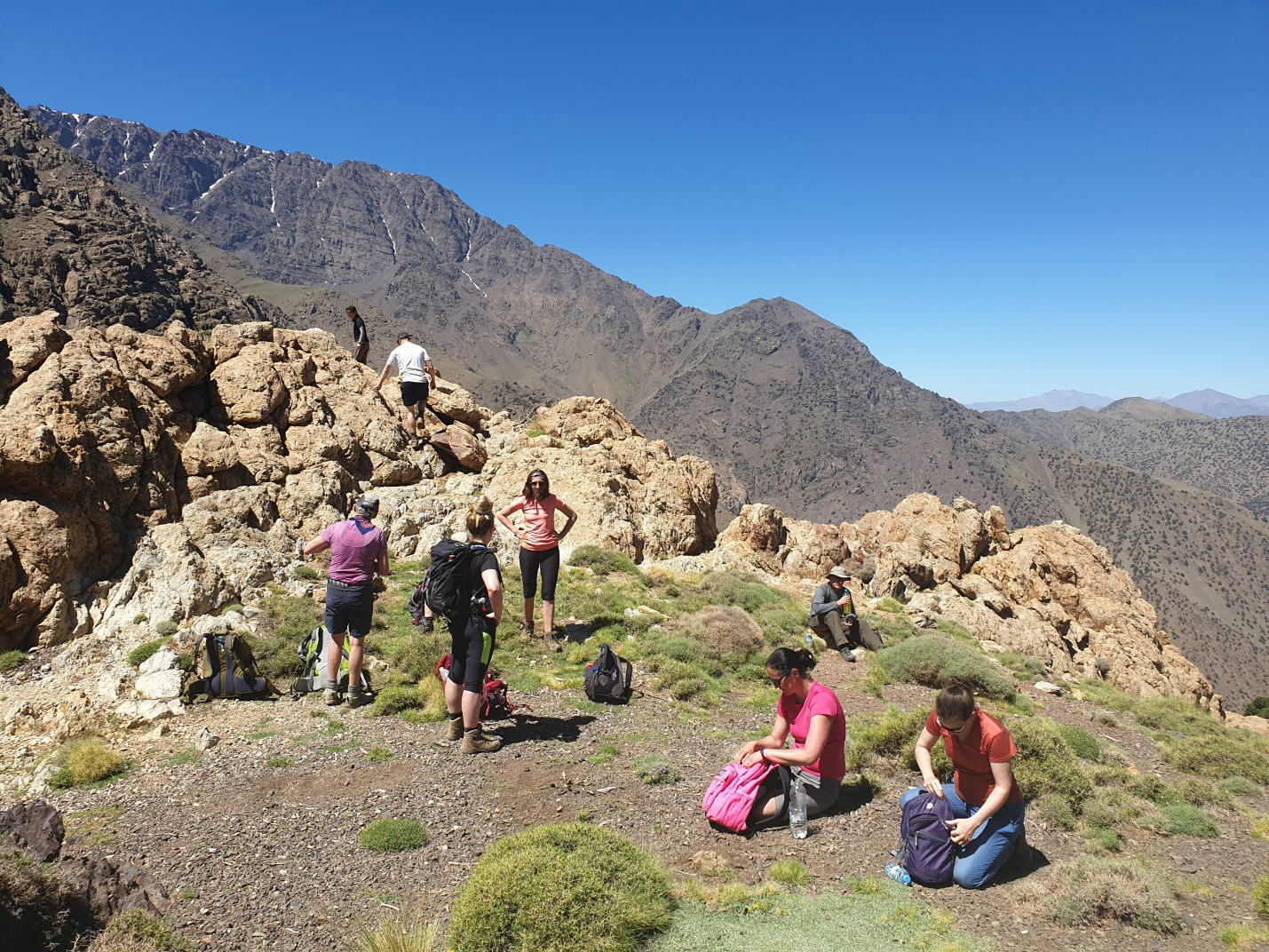
During guided hiking in the Atlas Mountains, we typically encounter:
- Rocky mountain paths that require steady footing
- Steep ascents and descents, especially when crossing high passes
- Dry riverbeds and valleys that shift with the seasons
- Terraced farmland near villages, offering a glimpse into local life
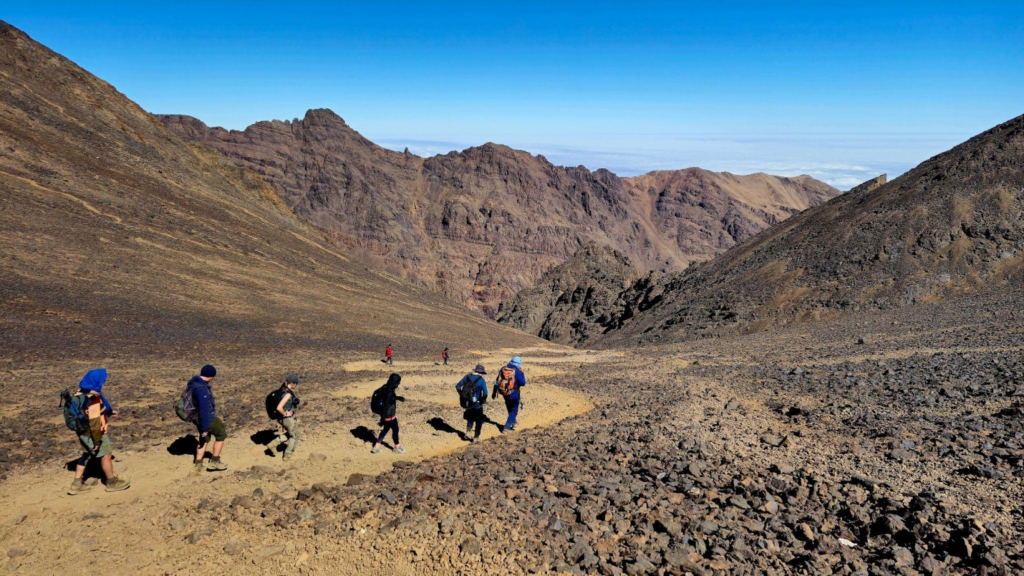
For those planning a 5 day trekking in Atlas Mountains routes or even 6 days hiking in the Atlas Mountains itineraries, terrain changes daily. One day might involve gradual climbs through green valleys, while the next pushes us up narrow switchbacks with panoramic views.
Altitude considerations
Many treks in Atlas Mountains regions reach elevations above 2,000 meters, with some routes climbing even higher. This means:
- We may feel mild altitude effects like fatigue or shortness of breath
- Proper pacing becomes essential
- Hydration is key throughout the trek
Understanding how our body responds to altitude can make a big difference in how enjoyable the trek becomes.
Accommodation on Multi-Day Treks
One of the most common questions about Atlas Mountains hiking tours is where we actually stay. Unlike city travel, accommodations here are simple but welcoming.
Types of accommodations we can expect
During trekking in Atlas Mountains routes, overnight stays usually include:
Mountain guesthouses (gîtes)
- Basic but comfortable
- Shared rooms with mattresses and blankets
- Home-cooked meals prepared by local families
Camping setups
- Common on longer routes or remote sections
- Tents provided with sleeping arrangements
- Meals prepared by support teams
Village homestays
- A more cultural experience
- Opportunity to connect with local communities
Even on a 6 days hiking in the Atlas Mountains plan, comfort is modest but meaningful. The simplicity becomes part of the experience, helping us disconnect from modern distractions.
Food and meals
Meals during a trek in Atlas Mountains routes are typically:
- Fresh and locally prepared
- Rich in carbohydrates for energy
- Served communally
We can expect dishes like tagine, couscous, fresh bread, and mint tea. While options may be limited, the quality and warmth of preparation stand out.
Physical Preparation and Fitness
Preparing for hiking in Morocco Atlas Mountains terrain is essential. Multi-day trekking is not just about walking; it is about endurance over several days.
What level of fitness is needed
For most Atlas Mountains hiking tours:
- Moderate fitness is recommended
- We should be comfortable walking 5 to 7 hours daily
- Prior hiking experience is helpful but not always required
If we are considering a 5 day trekking in Atlas Mountains itinerary, building stamina ahead of time can significantly improve our experience.
How to prepare
We can prepare by:
- Walking regularly on uneven terrain
- Incorporating uphill training if possible
- Carrying a light backpack during practice hikes
- Improving overall endurance through cardio workouts
Consistency in preparation helps us enjoy the trek rather than struggle through it.
What to Pack for a Multi-Day Trek
Packing properly can make or break our experience during guided hiking in the Atlas Mountains.
Essential items
- Sturdy hiking boots with good grip
- Layered clothing for changing temperatures
- A warm jacket for cold nights
- Reusable water bottles or hydration packs
- Sunscreen, sunglasses, and a hat
- Basic first aid supplies
Optional but helpful
- Trekking poles for stability
- Power bank for devices
- Snacks for energy between meals
Weather in the High Atlas Mountains can shift quickly, so being prepared for both warm days and cold evenings is important.
Cultural Experience Along the Way
Trekking in Atlas Mountains regions is not just about physical activity. It also gives us insight into local traditions and daily life.
- What makes it unique
- Passing through traditional Berber villages
- Seeing farming practices that have remained unchanged for generations
- Interacting with locals in remote areas
Even during a shorter Atlas Mountains day trip from Marrakech, we get a glimpse of this culture, but multi-day treks allow for a deeper connection.
So, Are We Ready to Take the First Step?
What kind of experience are we truly looking for when we step into the High Atlas Mountains? If it is something that combines physical challenge, cultural connection, and time away from routine, then trekking here offers exactly that.
For those considering guided hiking in the Atlas Mountains, working with a trusted provider like Omar Adventures can make the experience smoother and more enjoyable. With well-planned routes, local insight, and logistical support, we can focus on the trek itself rather than worrying about the details.
Whether it is a 5 day trekking in Atlas Mountains plan or a full 6 days hiking in the Atlas Mountains experience, having the right support ensures we get the most out of every step.
If you are ready to experience trekking in Atlas Mountains regions with confidence, now is the time to plan and take that first step.