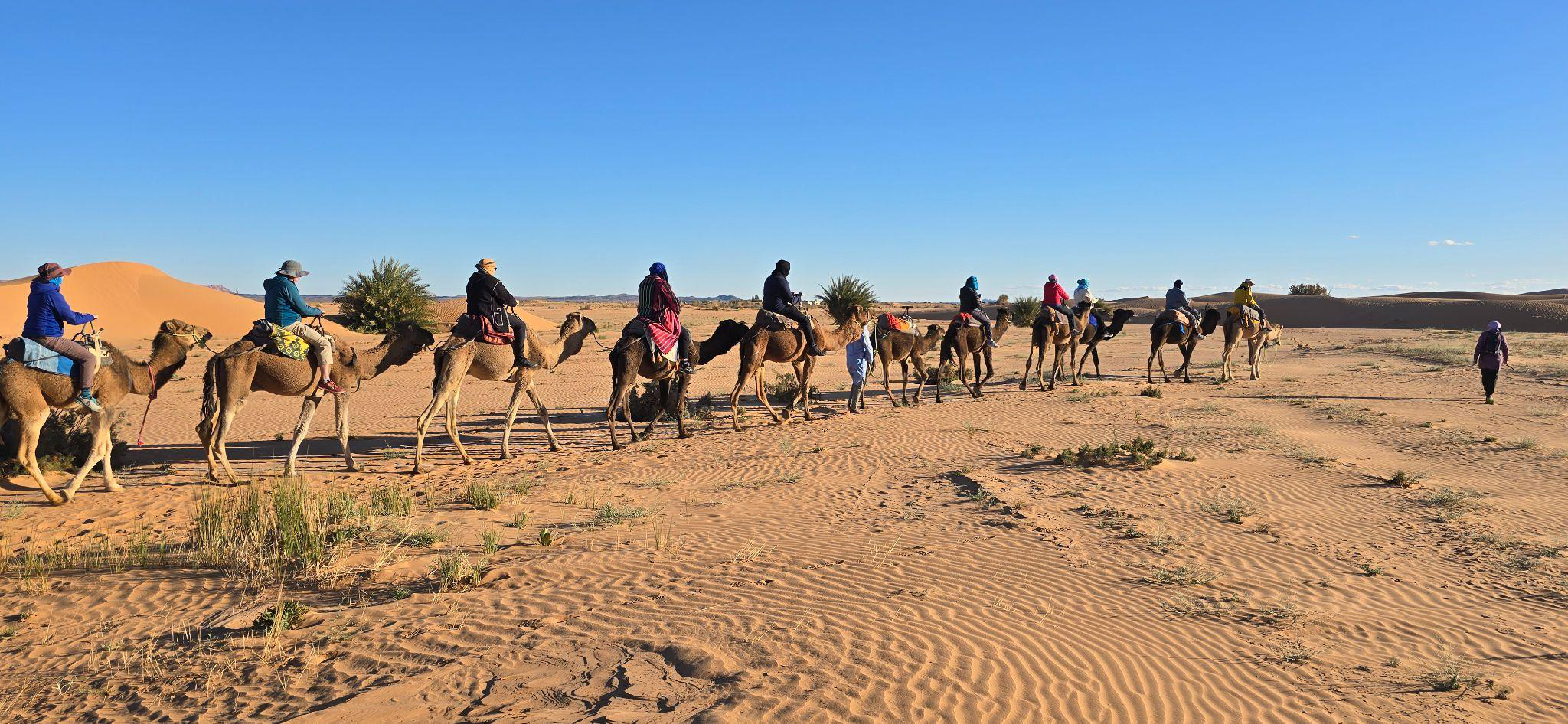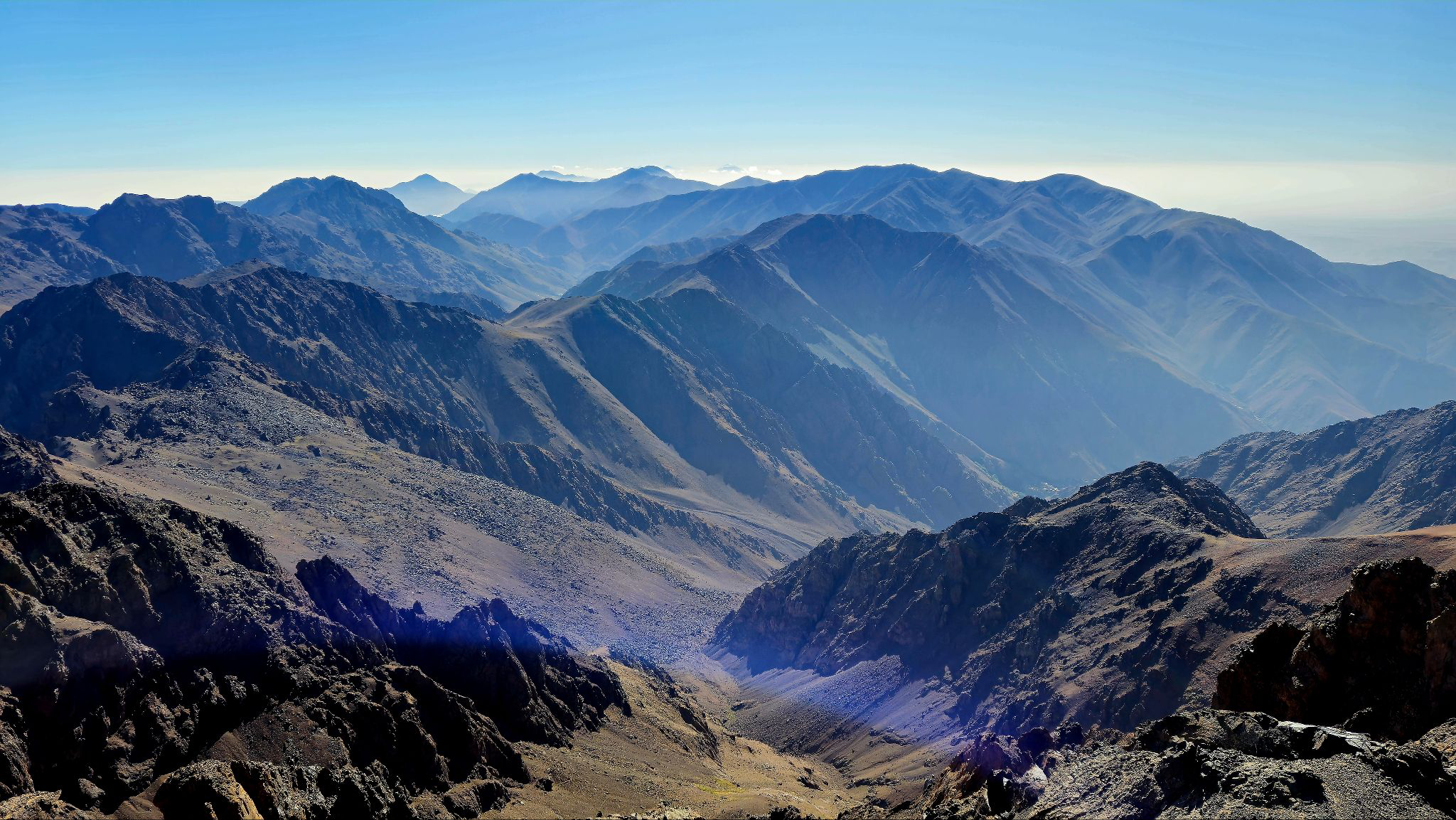
Have you ever wondered what it feels like to stand at the highest peak in North Africa while snow crunches under your boots and icy air sharpens your every breath? Mount Toubkal, rising 4,167 meters above sea level, draws thousands of hikers each year. That difference is what makes a Mount Toubkal winter climb so appealing.
While summer attracts crowds chasing warm trails and clear skies, winter transforms the peak into a raw, alpine challenge where snow, ice, and freezing winds turn an ordinary trek into an adventure worthy of mountaineers.
At Omar Adventures, we understand that many travelers are seeking more than just another hike. They want an authentic challenge, the kind that tests resilience and rewards them with breathtaking views across the snow-capped High Atlas. Our Morocco guided tours, including Mount Toubkal guided treks, give climbers that exact opportunity.
In this blog, we’ll look closely at what makes the Mount Toubkal winter climb different from summer treks—covering the snow-covered trails, equipment requirements, and the thrill of taking on the mountain in its coldest season.
Why Winter Changes Everything
Climbing Mount Toubkal in summer is demanding, but conditions are generally forgiving. Trails are rocky and dry, and the main challenge is altitude. Winter, however, is a completely different story. Snow blankets the High Atlas, temperatures drop well below freezing, and trails turn into icy paths where every step matters.
This transformation brings three major differences:
- Technical Difficulty– Snow and ice mean climbers need crampons, ice axes, and winter gear just to move safely.
- Weather Conditions– Harsh winds, snowstorms, and sub-zero temperatures demand proper preparation and physical resilience.
- Trail Atmosphere– Summer crowds thin out drastically, leaving a quieter, more isolated environment where the mountain feels untouched.
For many, these changes are exactly what makes a Mount Toubkal winter climb so rewarding—it becomes less of a hike and more of an alpine ascent.
Snow-Covered Trails and the High Atlas in Winter
One of the first differences climbers notice is how the trails change under heavy snow. In summer, the route from Imlil to the Toubkal Refuge follows visible rocky tracks through Berber villages and rugged valleys. In winter, those trails disappear under layers of snow.
Instead, the climb becomes:
- An alpine ascent– requiring steady pacing across snowfields.
- Ice challenges– where paths near ridges and steep slopes turn slippery.
- A more physical test– as trudging through snow is far more demanding than walking on dry ground.
The views also transform. Instead of rocky terrain, climbers are surrounded by sweeping white ridges and frozen valleys—a striking contrast that makes winter Toubkal trekking an unforgettable experience.
Equipment You Need for a Winter Climb
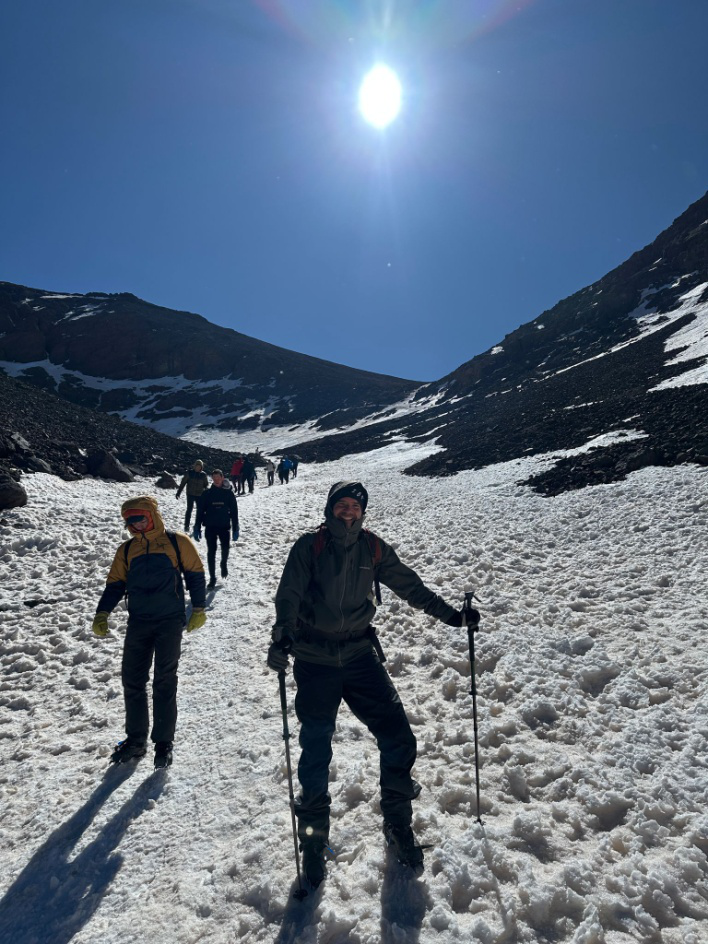
Unlike summer treks, where good hiking boots, layered clothing, and a sleeping bag are often enough, winter climbing requires specialized gear. Without it, reaching the summit can be dangerous.
Here’s a breakdown of the essentials:
Clothing
- Thermal base layers to stay warm and dry.
- Insulated jackets (down or synthetic) for freezing temperatures.
- Waterproof outer layers to protect against snow and wind.
- Gloves, hats, and balaclavas for maximum heat retention.
Technical Gear
- Crampons for grip on icy trails.
- Ice axe for stability and safety on steep or slippery sections.
- Gaiters to keep snow out of boots.
- Trekking poles to assist with balance.
Other Essentials
- High-quality sleeping bag rated for sub-zero nights.
- Sunglasses and sunscreen for protection against the strong mountain sun reflecting off snow.
- Headlamp for early morning summit pushes in darkness.
These items turn a standard hike into a proper winter mountaineering experience. Anyone preparing for a Mount Toubkal guided trek in winter should take gear seriously—both for comfort and safety.
The Physical and Mental Challenge
A Mount Toubkal winter climb is not just about equipment. It also pushes us physically and mentally in ways that summer treks do not.
- Altitude + Cold– The high altitude already makes breathing difficult, but when paired with freezing winds, the body burns more energy.
- Snow Fatigue– Walking in deep snow demands significantly more strength. Even short distances can feel longer and harder.
- Isolation– With fewer climbers on the trail, winter brings a sense of solitude. While peaceful, it also means we need to rely on our preparation and resilience.
That combination of challenge and reward is what draws climbers each winter—it feels like conquering the mountain on its most authentic terms.
Comparing Winter and Summer Climbs
To put the difference clearly, here’s how the Mount Toubkal winter climb stacks up against the summer trek:
| Aspect | Summer Toubkal Trek | Winter Toubkal Climb |
| Weather | Warm, often hot | Freezing, snowy, windy |
| Trail | Rocky and dry | Snow-covered, icy, harder to follow |
| Equipment | Hiking boots, layers | Technical gear (crampons, ice axe) |
| Difficulty | Challenging but accessible | More demanding, near mountaineering |
| Atmosphere | Busy with trekkers | Quiet, isolated, peaceful |
For many climbers, these contrasts are exactly why they choose a winter ascent—it feels like a more serious and rewarding achievement.
Why the Winter Climb Is Worth It
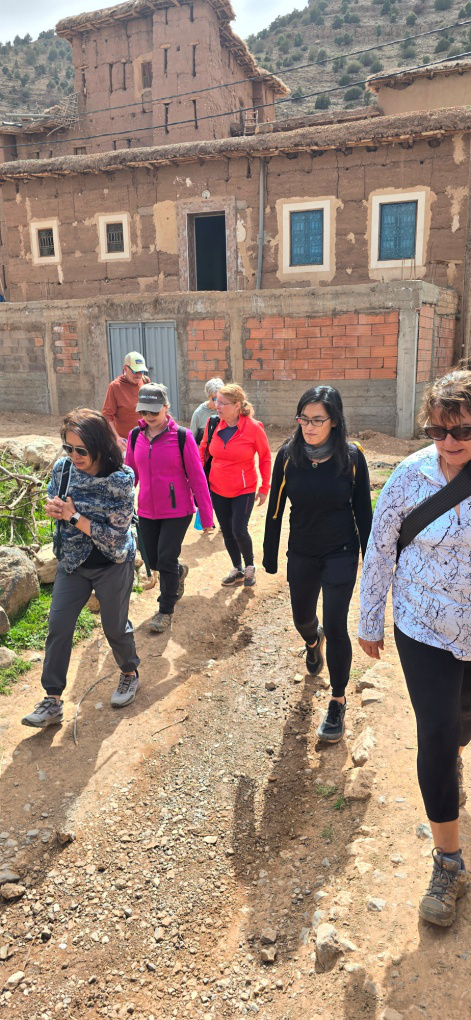
Despite the added challenges, the Mount Toubkal winter climb offers unmatched rewards:
- Spectacular Views – The snow-covered High Atlas looks dramatically different from the summer.
- Sense of Achievement – Conquering North Africa’s highest peak in winter carries extra weight.
- Fewer Crowds – Climbers often experience the summit with only a handful of others, if any.
- Skill Building – Using crampons and ice axes helps develop alpine trekking skills.
For those seeking more than just another trek, winter Toubkal hiking tours deliver an experience that feels authentic, raw, and deeply memorable.
A Colder Ascent, a Greater Reward
So, would you rather climb Mt. Toubkal with crowds on dry trails, or take on the challenge of snow, ice, and solitude for a deeper reward? The Mount Toubkal winter climb offers something no summer trek can match: a true alpine adventure in North Africa’s highest peak.
At Omar Adventures, we offer one of the leading Morocco guided tours for winter ascents, combining expert guidance with safety and comfort. Our Mount Toubkal guided treks ensure that climbers are fully equipped, prepared, and supported for the challenges of a winter ascent.
If you’re ready to take on the colder side of Toubkal trekking, contact Omar Adventures today. With our experience and knowledge of the High Atlas, we help climbers achieve the summit safely while creating an unforgettable mountaineering experience.