The Atlas Mountains remain one of Morocco’s most captivating natural landscapes, drawing hikers from across the globe. In 2025, trekking in the Atlas Mountains continues to grow in popularity as adventurers seek a combination of challenging terrain, breathtaking vistas, and authentic cultural experiences. With new recommendations regarding gear, weather patterns, local guidance, and responsible trekking practices, hikers can now enjoy a safer, more rewarding journey through this iconic mountain range.
Whether you’re planning a short Atlas Mountains day trip from Marrakech or a multi-day expedition including the famous Mount Toubkal, understanding current trekking conditions and best practices is essential for a successful adventure.
Preparing for Your Trek
Proper preparation is key to enjoying trekking in the Atlas Mountains. In 2025, the emphasis on lightweight, durable gear has increased. Hikers are encouraged to pack moisture-wicking clothing, sturdy waterproof boots, and layered outfits suitable for fluctuating mountain temperatures. Trekking poles and hydration systems remain essential, as well as compact first aid kits and portable navigation tools.
Hikers should also check weather forecasts carefully. The Atlas Mountains can experience sudden changes in temperature and precipitation, especially at higher elevations.
Updated advice suggests being prepared for unexpected snow at the peaks even during spring and fall, and carrying sun protection for lower-altitude trails.
Understanding Local Guidelines
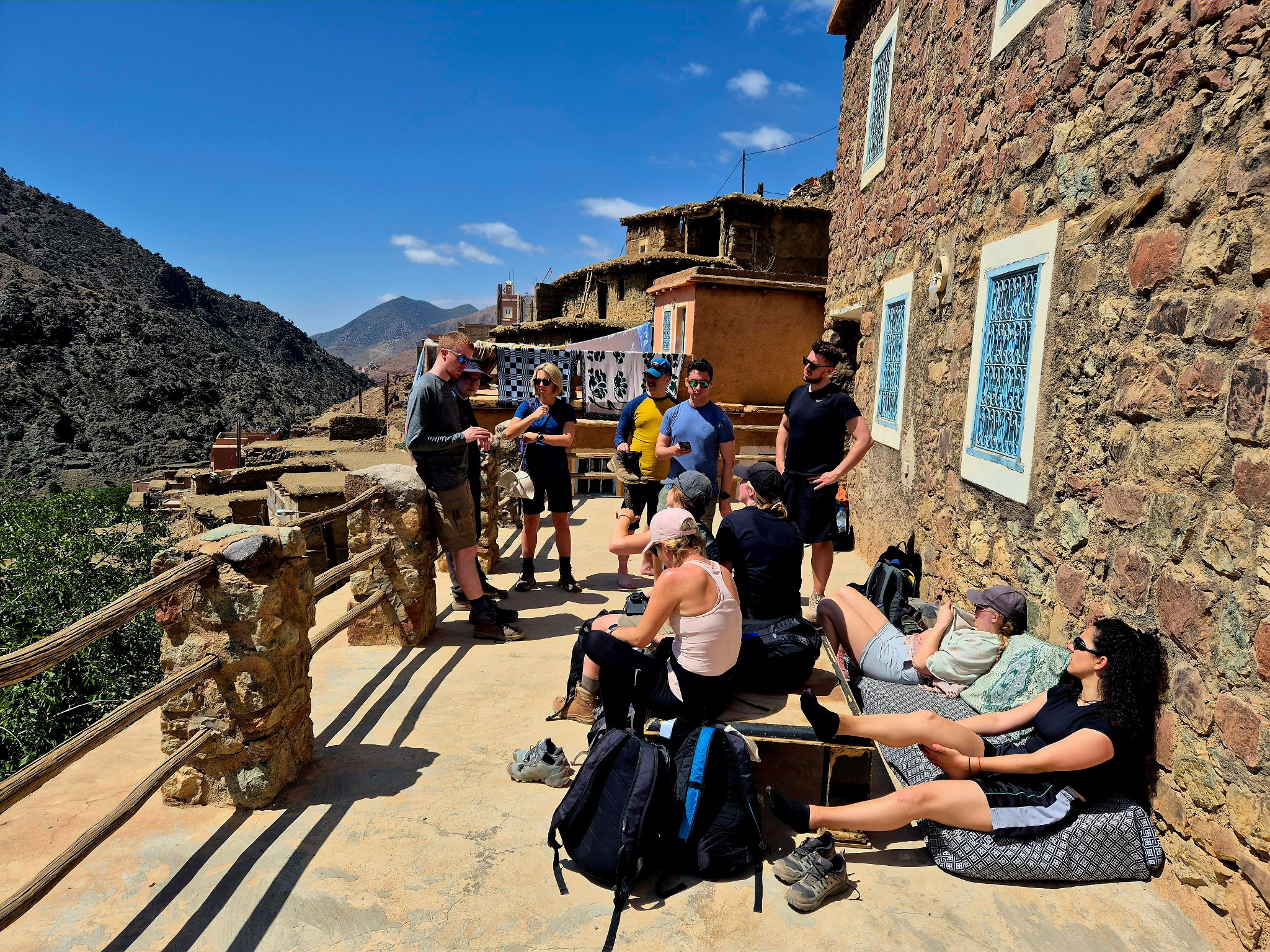
Local regulations and cultural norms are increasingly important for those trekking in the Atlas Mountains. Many trails pass through Berber villages or protected areas, where following local guidance ensures both safety and cultural respect.
Hiring licensed local guides is highly recommended, as they provide knowledge on terrain, flora, fauna, and proper etiquette for visiting rural communities.
Guides can also help manage logistics, from navigating tricky paths to arranging accommodations in mountain refuges. This approach not only enhances safety but also supports the local economy, offering income to guides and villagers involved in the trekking tourism sector.
Recommended Routes for 2025
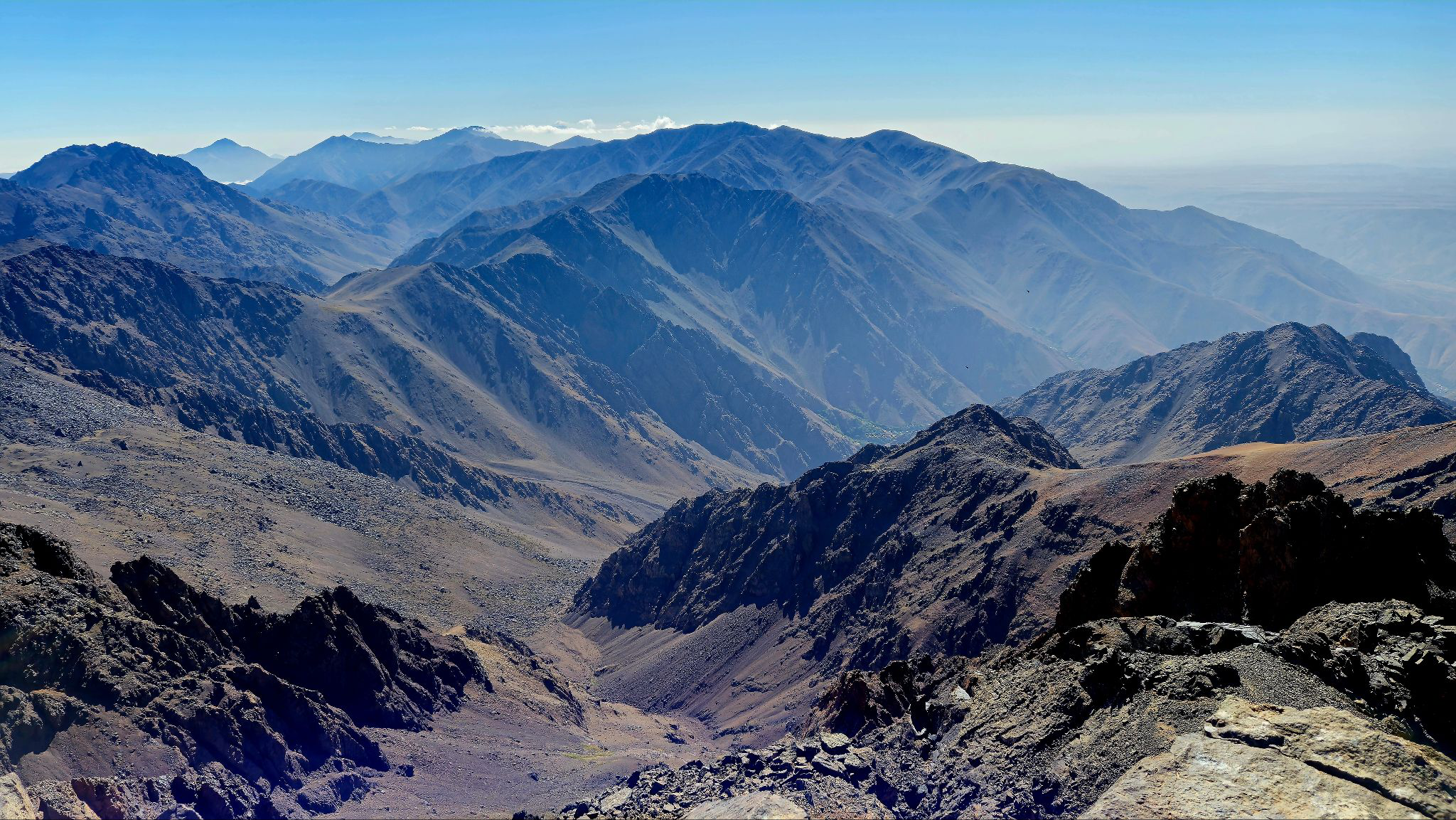
Several routes remain favorites for trekking in the Atlas Mountains. Beginners often start with lower-altitude trails, which offer panoramic views of valleys, rivers, and kasbahs. Experienced hikers may challenge themselves with ascents to peaks like Mount Toubkal, the highest point in North Africa.
Updated 2025 recommendations highlight the importance of pacing, rest stops, and acclimatization for multi-day treks. By taking time to adjust to elevation changes, hikers can reduce the risk of altitude sickness and enjoy a more comfortable experience.
Seasonal timing also matters: spring and autumn are ideal for moderate temperatures, while winter treks require advanced gear and awareness of snow and ice hazards.
Gear and Equipment Tips
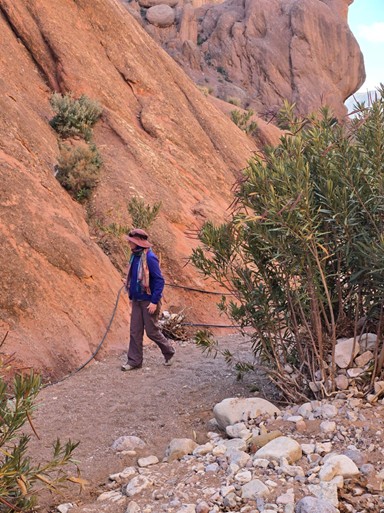
Hikers trekking in the Atlas Mountains in 2025 are advised to invest in high-quality, versatile gear. This includes lightweight backpacks, insulated jackets for cold nights, and trekking shoes with superior grip.
Multi-functional items such as convertible pants, portable stoves, and solar chargers can make longer expeditions easier and more enjoyable.
Hydration remains a critical focus. Carrying at least two liters of water per day, along with water purification tablets or filters, is recommended. Nutrition should include high-energy snacks and meals that are easy to carry and prepare, ensuring adequate fuel for sustained hiking.
Additionally, hikers should consider packing emergency blankets, extra battery packs, and durable weatherproof gloves to stay fully prepared for sudden changes in mountain conditions.
Environmental and Responsible Practices
Responsible trekking has become increasingly emphasized in 2025. While trekking in the Atlas Mountains, hikers are encouraged to follow Leave No Trace principles, respecting wildlife, minimizing waste, and avoiding damage to fragile vegetation. Camping should be done in designated areas, and hikers should avoid disturbing local communities or historical sites.
Supporting local businesses, such as staying in guesthouses or purchasing supplies from village markets, promotes sustainable tourism. By following these practices, hikers help preserve the natural beauty and cultural integrity of the Atlas Mountains for future generations.
Additionally, hikers are encouraged to use eco-friendly gear, reduce plastic consumption, and choose ethical tour operators who prioritize conservation and community welfare.
Safety and Health Considerations
Health and safety remain top priorities for anyone trekking in the Atlas Mountains. Hikers should always inform guides of any medical conditions, carry necessary medications, and use sun protection to prevent dehydration or heatstroke. Communication devices, such as satellite phones, are recommended for more remote areas where mobile coverage is limited.
Emergency protocols should be reviewed with guides before embarking on multi-day treks. Knowledge of basic first aid and awareness of altitude-related risks are essential.
By preparing adequately, hikers can ensure that their journey remains safe and enjoyable. It is also important to monitor weather alerts, stay aware of trail conditions, and pack extra food and clothing in case unexpected delays occur.
Making the Most of Your Trek
The Atlas Mountains offer not only physical challenges but also cultural and sensory rewards. While trekking in the Atlas Mountains, hikers can enjoy the rich Berber culture, taste traditional foods, and witness stunning landscapes rarely seen by tourists. Photography, journaling, or simply pausing to observe the surroundings can enhance the trekking experience and provide lasting memories.
Additionally, connecting with fellow hikers in small groups can enhance the sense of camaraderie and shared achievement. Many travelers report that these personal connections are among the most meaningful aspects of their Atlas Mountain adventures.
Planning Your 2025 Trek
For hikers planning a trek in the Atlas Mountains in 2025, thorough research is essential. Identify reputable guides, check trail conditions, and ensure you are equipped with proper gear and knowledge of local customs. By combining careful preparation with responsible practices, your trek can be both challenging and profoundly rewarding.
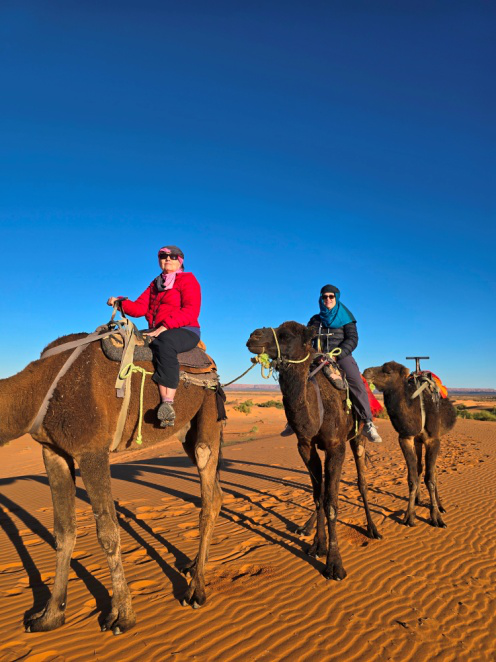
At Omar Adventures, we are passionate about creating memorable journeys through Morocco. We invite you to join us for trekking in the Atlas Mountains, as well as adventures including hiking in Morocco’s Atlas Mountains, day trips from Marrakech, desert tours in Morocco, camel trekking in Morocco’s desert, Mount Toubkal trek, and luxury Morocco tours.
Our experienced guides ensure safety, flexibility, and a rich cultural experience. Whether you are on a Morocco guided tour or exploring the Sahara on a desert tour from Marrakech, we provide immersive adventures that create lifelong memories.
Reach out to us.