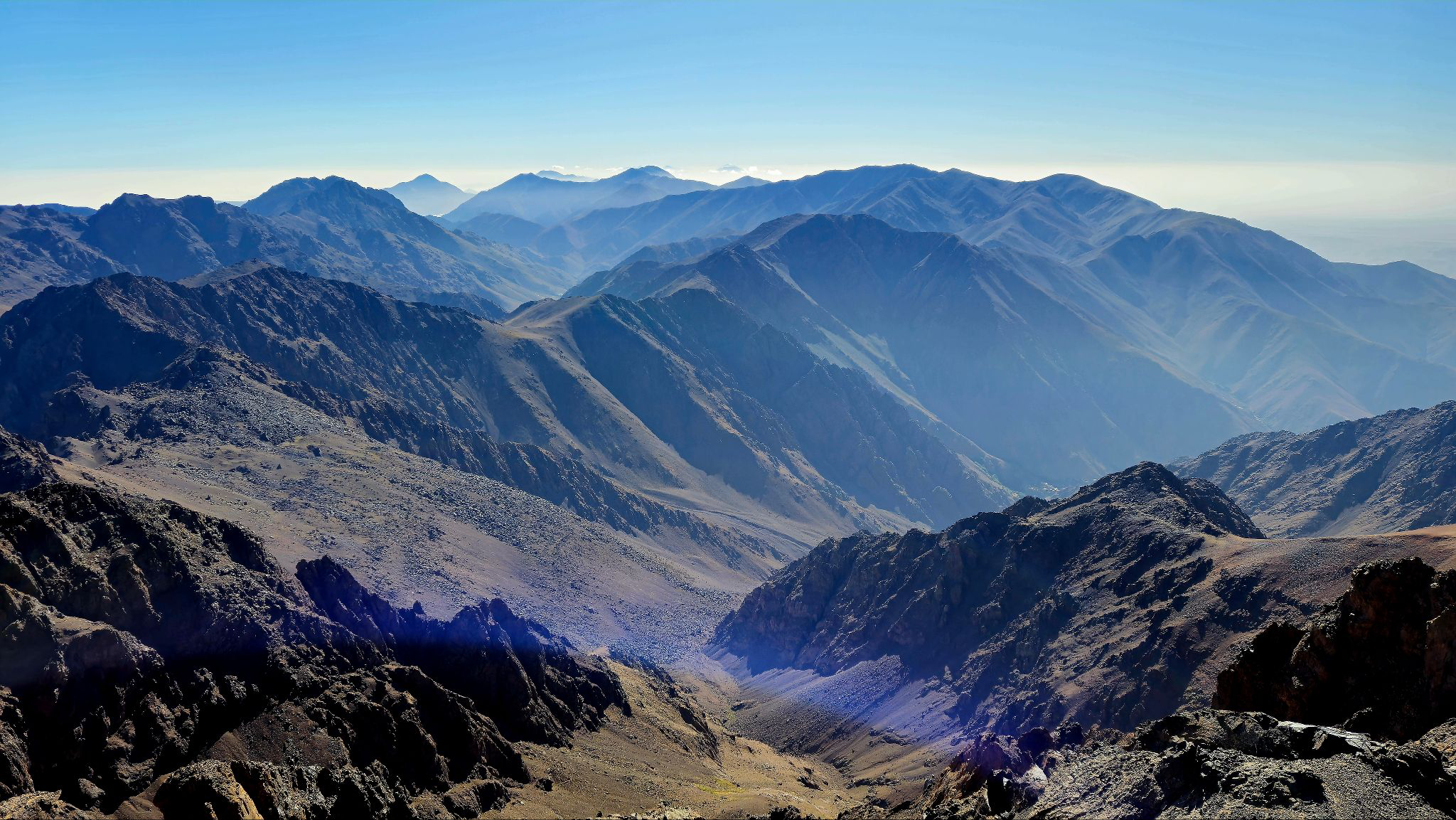
What makes a mountain climb unforgettable? For many adventurers, it’s the combination of altitude, endurance, and breathtaking rewards at the summit. Mount Toubkal, standing at 4,167 meters, is the highest peak in North Africa and attracts thousands of hikers every year. In fact, recent tourism reports suggest that Morocco draws more than 13 million international visitors annually, with a significant number heading straight for the High Atlas Mountains to test themselves on the Mount Toubkal trek. The growing interest shows that Toubkal trekking has become more than just a climb—it’s an iconic challenge for hikers worldwide.
At Omar Adventures, we understand what drives people to take on this mountain: the thrill of climbing the highest peak in North Africa, the beauty of Berber villages along the route, and the personal achievement that comes with reaching the summit.
In this blog, we’ll look at why Toubkal trekking remains one of the most sought-after challenges in Morocco, highlight the best seasons for the climb, and share preparation tips for a successful trek.
Why Toubkal Trekking Stands Out
Climbing mountains is always a test of endurance, but Mount Toubkal offers something unique. The combination of culture, accessibility, and achievement makes it one of the leading choices for hikers.
- Accessibility from Marrakech:Within just a two-hour drive from Marrakech, hikers can reach Imlil, the starting point for most Toubkal hiking tours. This makes it possible to fit the climb into even shorter Morocco guided tours.
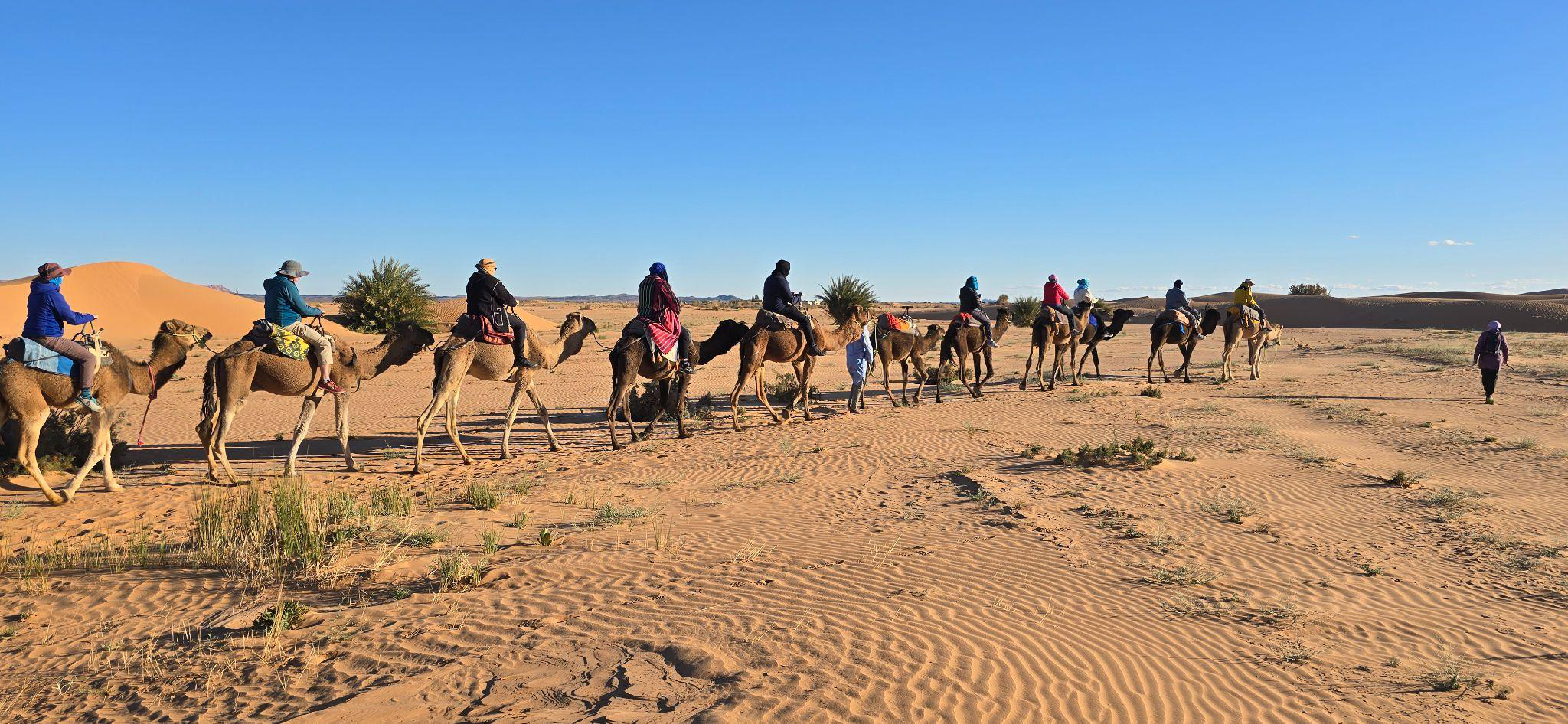
- Cultural Encounters:Unlike remote peaks, the Mount Toubkal trek passes through Berber villages, where trekkers often meet locals, sample traditional food, and see authentic mountain life.
- Sense of Achievement:The climb is not technically difficult, but the altitude and long ascent test determination. Reaching the summit feels like conquering both nature and oneself.
Best Seasons for the Mount Toubkal Trek
Choosing the right season is essential to get the most out of a Toubkal hiking tour. While it’s possible year-round, conditions vary dramatically.
- Spring (April–May):Comfortable temperatures, green valleys, and melting snow make this season popular.
- Summer (June–September):Clear trails, warmer weather, and easier trekking conditions attract many hikers.
- Autumn (October–November):Crisp air and fewer crowds create great conditions for those who prefer quieter climbs.
- Winter (December–March):Snow transforms the climb into a true alpine challenge, suitable for those seeking a Mount Toubkal guided trek with crampons and ice axes.
Preparation Tips for a Successful Climb
A Mount Toubkal trek requires preparation, even for seasoned hikers. Here’s how we can make the most of the challenge:
- Train in Advance:Build endurance with long hikes and cardio workouts.
- Pack Smart:Good hiking boots, layered clothing, and a sleeping bag are essential.
- Acclimatize:Spending a night in Imlil before the climb helps the body adjust to altitude.
- Stay Hydrated and Fueled:Carry snacks and drink plenty of water throughout the climb.
- Choose Guidance:A Mount Toubkal guided trek ensures safety, local insight, and smoother logistics.
Ready to Take on North Africa’s Highest Peak?
What could be more rewarding than standing at 4,167 meters with the High Atlas stretching below you? Toubkal trekking remains one of the top challenges for hikers because it blends cultural richness, physical test, and the ultimate mountain reward. If you are ready to climb Mt. Toubkal, a guided experience makes the difference between a tough climb and a truly memorable adventure.
Omar Adventures offers one of the leading Morocco guided tours, including Toubkal trekking, designed to combine local expertise, safety, and comfort. Contact Omar Adventures today to plan your Mount Toubkal trek and take on a challenge that will stay with you for a lifetime.