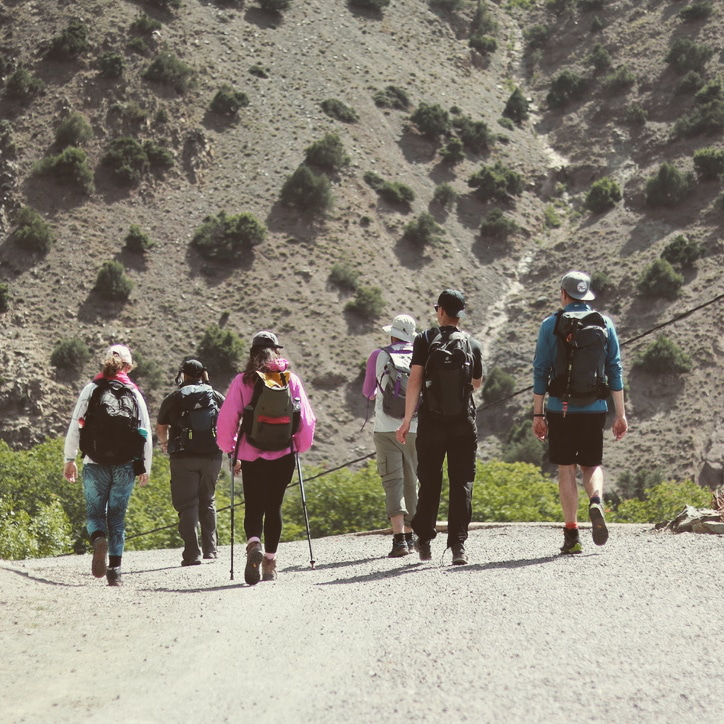
Have you ever wondered why a simple cup of tea in the Sahara can mean far more than just a warm drink?
Many travelers visit Morocco hoping to see golden dunes and ride camels, but the moments they remember most often come from the people they meet.
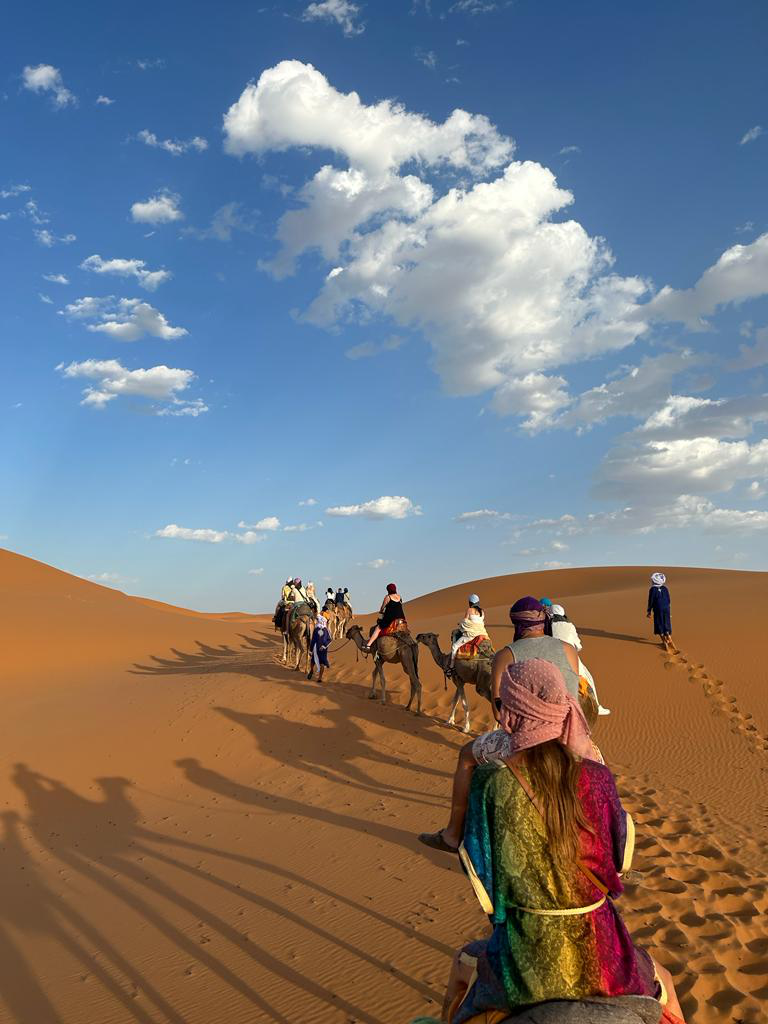
Cultural tourism accounts for an estimated 40% of global tourism, showing that many travelers seek meaningful cultural experiences alongside sightseeing. A camel trekking Sahara tour offers far more than scenic views when it includes authentic interactions with local communities.
As we spend time in Morocco’s desert regions, we gain a deeper appreciation for Berber customs that have been passed from one generation to the next. Understanding these traditions helps us approach every encounter with greater respect while making every camel trekking in Sahara experience more meaningful.
At Omar Adventures, we help travelers experience the Sahara beyond its dunes by connecting them with the people, traditions, and stories that make Morocco’s desert culture truly special.
In this guide, we will discuss Berber hospitality, family traditions, food, music, etiquette, and the cultural experiences that make every desert trek in Morocco memorable.
Who Are the Berber People?
The Berber people, often known as Amazigh, have lived across North Africa for thousands of years. Their communities continue to preserve traditions that reflect resilience, hospitality, and a strong connection to the desert.
Although modern life has brought many changes, many Berber families continue to value:
- Strong family relationships
- Respect for elders
- Community support
- Traditional craftsmanship
- Oral storytelling
- Hospitality toward visitors
During a trek Morocco desert tour, travelers often have opportunities to experience these traditions firsthand rather than simply reading about them.
Hospitality Is More Than Kindness
One of the first things visitors notice is the importance of hospitality.
Guests are treated with genuine warmth because welcoming strangers has long been part of surviving in the desert. Travelers crossing difficult terrain often depended on the generosity of local communities.
Today, that tradition continues.
You may be invited to:
- Sit inside a traditional tent
- Share mint tea
- Enjoy freshly prepared meals
- Join conversations around the fire
- Listen to family stories
Accepting these moments respectfully allows us to understand the heart of Berber culture rather than simply passing through it.
Why Mint Tea Holds Special Meaning
Many visitors think mint tea is simply a refreshing drink.
In reality, serving tea is one of the most recognizable desert traditions throughout Morocco.
Preparing tea often involves several careful steps, including pouring it from a height to create foam. The process encourages conversation instead of rushing through the moment.
Tea represents:
- Friendship
- Respect
- Welcome
- Patience
- Community
Rather than quickly drinking and leaving, guests are encouraged to slow down and enjoy the company around them.
This simple tradition often becomes one of the most memorable parts of camel trekking in Sahara.
Daily Life in the Desert
Life in the Sahara follows rhythms shaped by nature.
Families often organize their day around changing temperatures, caring for animals, preparing meals, and supporting one another.
Depending on where your desert trek in Morocco takes you, you may witness activities such as:
- Baking traditional bread
- Collecting water
- Preparing tea
- Caring for camels
- Weaving textiles
- Making handmade crafts
These daily routines reflect generations of knowledge developed for living successfully in desert conditions.
Respectful Etiquette During Your Visit
Learning a few cultural customs helps every interaction become more meaningful.
Here are several simple ways to show respect during your visit.
Dress Modestly
Loose, comfortable clothing works well for both the climate and local customs.
Ask Before Taking Photos
Many people are happy to be photographed, but asking permission first demonstrates respect.
Accept Hospitality Graciously
If someone offers tea or food, accepting when possible shows appreciation for their kindness.
Listen More Than You Speak
Many conversations become memorable simply by taking time to hear family stories and local traditions.
Respect Religious Practices
Prayer remains an important part of daily life for many families. Being mindful during these moments shows cultural awareness.
These small actions create positive interactions throughout any trek Morocco desert tour.
Traditional Food Brings People Together
Meals are often shared from a common serving dish, reinforcing the importance of family and community.
Some traditional foods travelers may encounter include:
- Tagine
- Couscous
- Fresh baked bread
- Dates
- Olives
- Seasonal vegetables
- Mint tea
Meals are rarely rushed.
Instead, they become opportunities for conversation and connection.
Sharing food allows visitors to experience another meaningful part of Berber culture beyond sightseeing.
Music and Storytelling Around the Fire
As daylight fades across the dunes, evenings often become a time for music and stories.
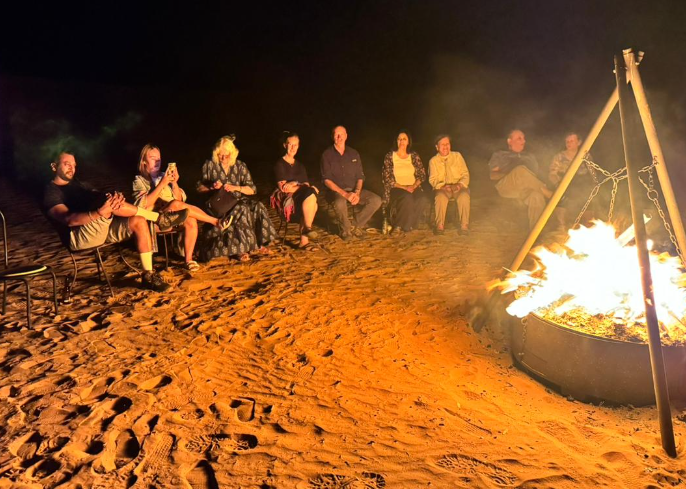
Storytelling has helped preserve history for centuries.
Topics may include:
- Family history
- Desert wildlife
- Historic caravan routes
- Local legends
- Tribal customs
- Seasonal traditions
Traditional instruments and rhythmic songs often accompany these gatherings, creating memorable evenings that help travelers appreciate Morocco’s cultural heritage.
For many visitors, these evenings become the highlight of a camel trekking Sahara tour.
How Cultural Understanding Changes the Experience
A desert trip becomes much richer when we recognize that every tradition has a story behind it.
- The tea ceremony reflects hospitality.
- The shared meal reflects community.
- The music preserves history.
- The crafts preserve generations of knowledge.
- The camels represent centuries of survival and trade.
When viewed together, these traditions transform a simple sightseeing trip into a meaningful cultural experience that stays with travelers long after returning home.
What memories do you hope to bring home from the Sahara?
Beautiful photographs are wonderful, but meaningful cultural experiences often become the stories we remember for years. Learning about Berber hospitality, sharing tea, listening to traditional music, and respecting local customs can make every camel trekking Sahara tour far more rewarding.
If you are planning camel trekking, a desert trek in Morocco, or considering 8 day tours in Sahara, we would love to help you experience these remarkable desert traditions with knowledgeable local guidance and thoughtfully planned itineraries.
Contact Omar Adventures today to plan a trip that combines unforgettable desert scenery with authentic cultural experiences you’ll remember long after your visit.