What does it feel like to stand above North Africa, surrounded by ancient valleys and villages where time still follows the rhythm of the mountains? For many travelers, that question sits at the heart of their desire to take on Toubkal trekking.
Each year, thousand of hikers attempt to climb Mt. Toubkal, drawn by its height, cultural depth, and dramatic scenery. That steady rise in interest reflects a clear need: well-planned mountain experiences that combine challenge, safety, and genuine connection to local life.
This article looks closely at what makes a Toubkal hiking tour so compelling—from high-altitude ascents to the valleys in Mount Toubkal and the Berber villages that give the region its soul.
The Power of Mount Toubkal’s Setting
Standing at 4,167 meters, Mount Toubkal dominates the High Atlas range. While many focus solely on the summit, the surrounding terrain is just as meaningful. A Mount Toubkal trek is defined by contrasts: rocky passes, fertile valleys, and small settlements built from earth and stone.
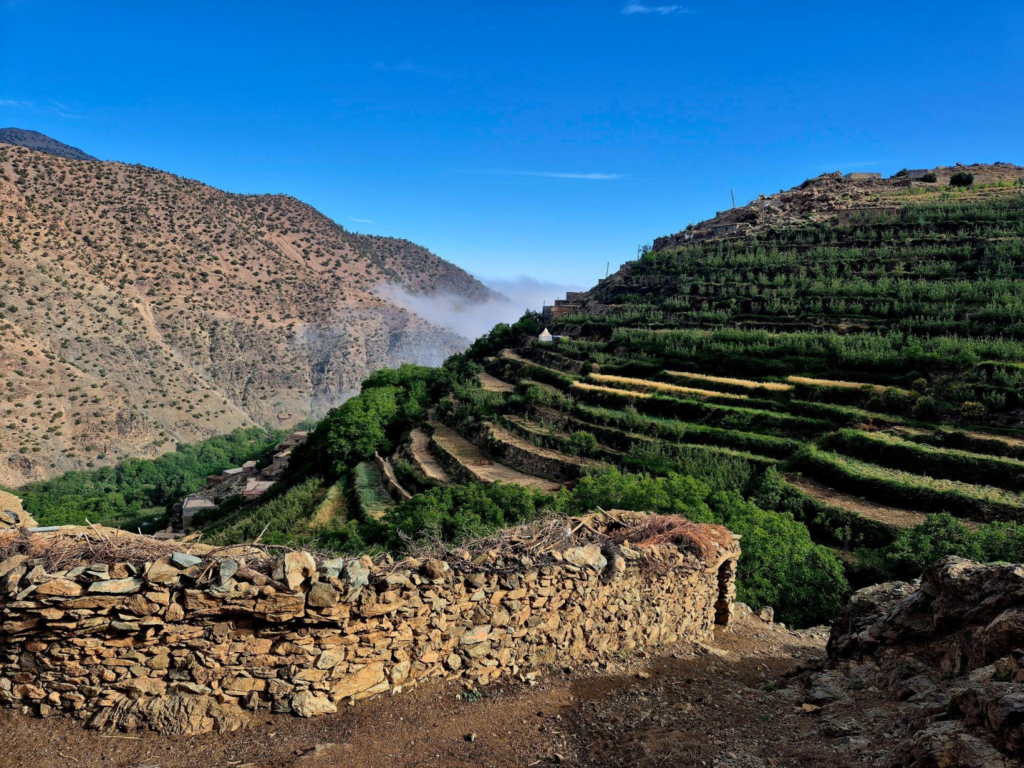
When we commit to Toubkal trekking, we are not simply chasing altitude. We move through an environment where nature and human life have shaped one another for centuries. Snow-fed streams support walnut groves, terraced fields cling to slopes, and mule paths link villages that still depend on foot travel.
Classic Routes for a Mount Toubkal Guided Trek
Several established routes make it possible to climb Mt. Toubkal while also experiencing the surrounding valleys. These routes vary in length and difficulty, but all share a strong sense of place.
Popular Trek Options Include:
1. Imlil to Toubkal Refuge Route
Starting in Imlil, this is the most common approach. The trail follows riverbeds and gradual ascents through Aroumd village before reaching the refuge used for summit attempts.
2. Azzaden Valley Circuit
This route highlights lesser-seen valleys in Mount Toubkal, passing through traditional villages and offering quieter trails with wide mountain views.
3. Ouanoukrim Extension
Often added for experienced hikers, this option introduces additional peaks and ridgelines, extending the physical and visual rewards of a Mount Toubkal guided trek.
Each route balances effort with reward, allowing us to experience both the physical challenge and the cultural richness of the High Atlas.
Valleys in Mount Toubkal: Where Life Thrives
The valleys in Mount Toubkal are more than scenic corridors; they are living systems. As we hike, elevation shifts bring noticeable changes in vegetation and climate.
Key Valley Features:
- Terraced agriculturesupported by ancient irrigation channels
- River crossingsfed by snowmelt from higher peaks
- Seasonal grazing landsused by local shepherds
These valleys soften the demanding nature of a Mount Toubkal trek, offering moments of rest and reflection between climbs. They also reveal how communities have adapted to steep terrain without modern infrastructure.
Berber Villages Along the Trail

A defining aspect of any Toubkal hiking tour is the chance to pass through Berber villages that maintain strong traditions. Homes are often built from compacted earth, blending into their surroundings, while daily life centers on farming, herding, and family ties.
When we move through villages such as Aroumd or Tacheddirt, we see:
- Stone paths shared by hikers, children, and livestock
- Communal ovens still used for baking bread
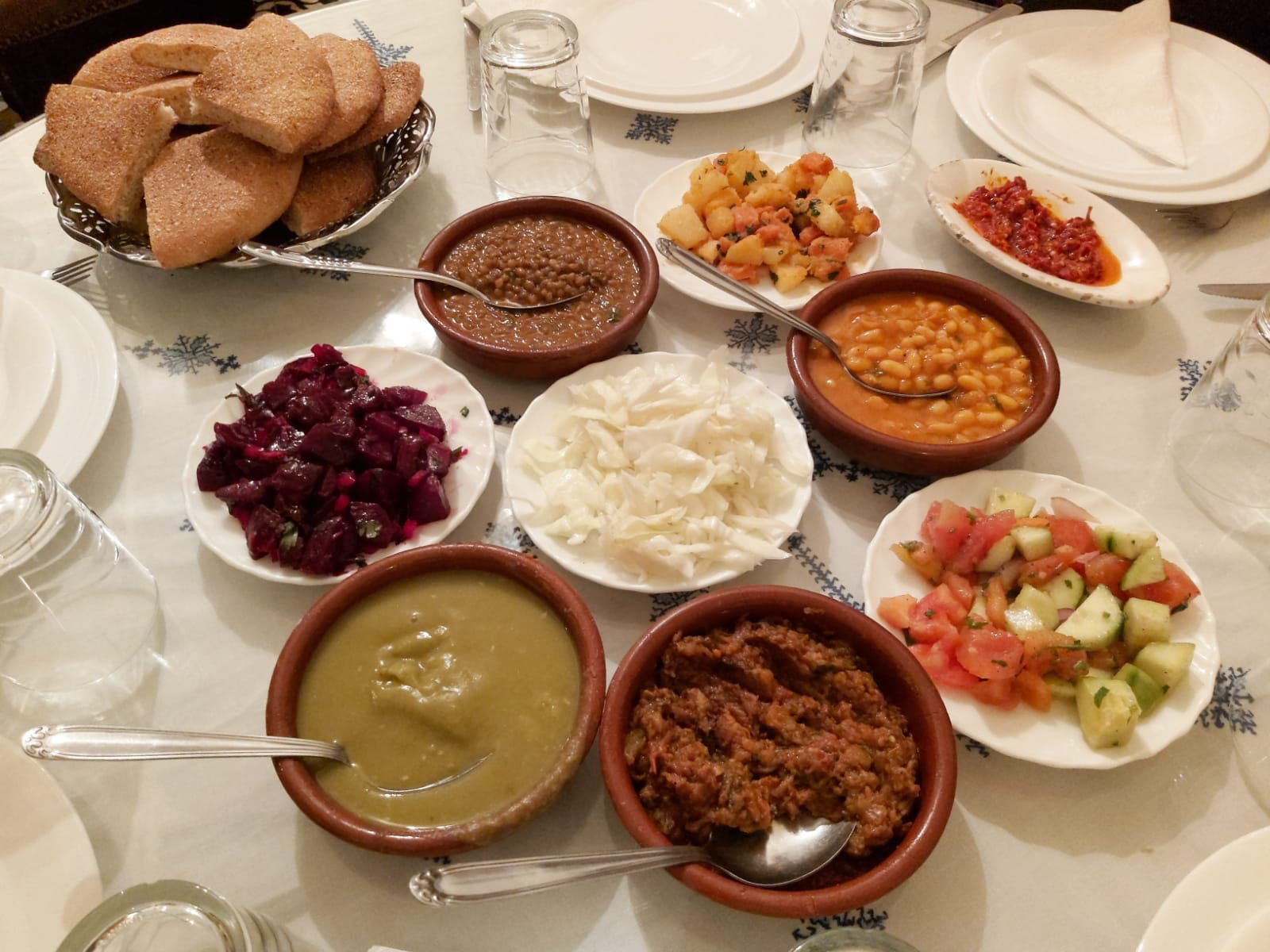
- Small tea houses where mint tea marks hospitality
These encounters ground the physical effort of Toubkal trekking in human connection, reminding us that these mountains are not empty spaces but home to resilient communities.
Flora and Fauna of the High Atlas
Despite the altitude, Mount Toubkal supports a surprising range of plant and animal life. The biodiversity changes as trails rise from valley floors to rocky slopes.
Notable Natural Elements:
- Juniper and walnut treesat lower elevations
- Wild thyme and alpine grassesnear higher passes
- Barbary sheep and mountain birdsoccasionally spotted along quieter sections
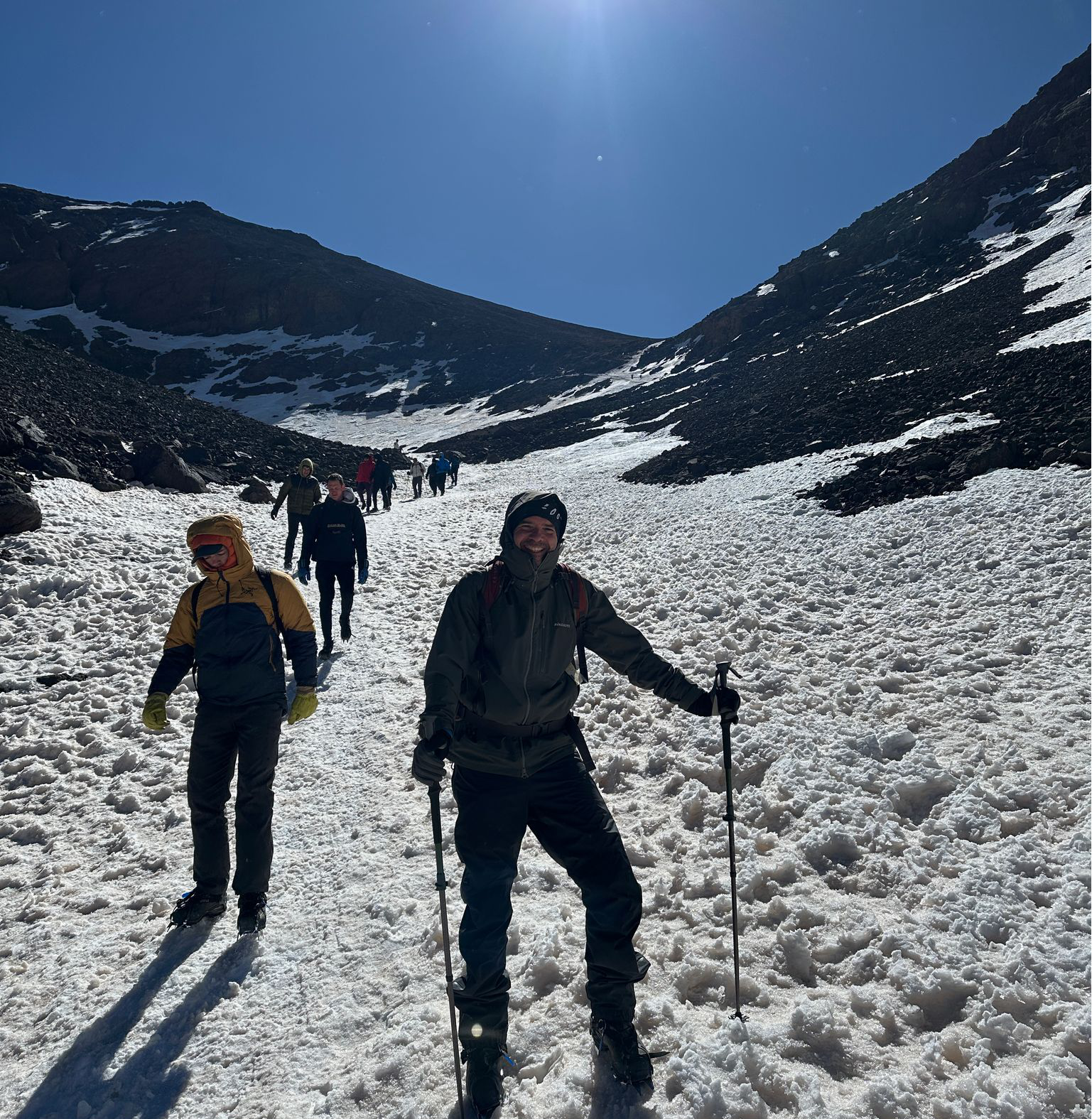
During a Mount Toubkal winter climb, snow reshapes the environment entirely, creating stark beauty and testing endurance. Winter ascents demand preparation, but they also offer crisp air and clear views that many hikers value deeply.
Seasonal Differences on a Toubkal Hiking Tour
Timing shapes every aspect of the experience. Each season brings its own conditions and rewards.
- Spring:Melting snow feeds valleys, and wildflowers appear along lower trails.
- Summer:Longer days and stable weather make summit attempts more accessible.
- Autumn:Cooler temperatures and clear skies highlight distant peaks.
- Winter:A Mount Toubkal winter climb introduces snow-covered paths and requires technical awareness, but rewards us with quiet trails and dramatic scenery.
Choosing the right season ensures that a Mount Toubkal guided trek aligns with physical ability and expectations.
Physical and Mental Rewards of Toubkal Trekking
Reaching high altitude challenges both body and mind. As we ascend, breathing slows, steps shorten, and focus sharpens. Yet these challenges are precisely what make Toubkal trekking so meaningful.
The rewards include:
- A strong sense of accomplishment after sustained effort
- Heightened awareness of terrain, weather, and pacing
- Shared motivation within a trekking group
Standing on the summit after we climb Mt. Toubkal, the valleys below feel earned, not simply viewed.
Why Mount Toubkal Remains One of the Leading Treks in Morocco
Mount Toubkal continues to be regarded as one of the leading trekking destinations in North Africa because it offers balance. It combines altitude with accessibility, challenge with cultural depth, and demanding climbs with moments of quiet village life.
A Mount Toubkal trek is not defined by speed or conquest. It is shaped by steady progress through valleys in Mount Toubkal, meaningful encounters, and respect for a powerful natural setting.

Ready to Walk Where Mountains and Villages Meet?
What if your next high-altitude challenge also gave you insight into mountain life shaped over centuries? A thoughtfully planned Toubkal hiking tour brings together peaks, valleys, and villages in a way few destinations can match.
For those seeking a well-organized approach that supports safe ascents, seasonal planning, and deep local knowledge, Omar Adventures offers guidance rooted in firsthand understanding of the High Atlas.
Connecting with them is a practical step toward addressing logistical concerns, route planning, and seasonal conditions—allowing us to focus fully on the experience of Toubkal trekking itself.