Many travelers planning a Morocco desert tour often ask the same question: is camel trekking in the Sahara safe? The short answer is yes, but there are several things to understand before going on this kind of experience. From guide training to what to do during an emergency, this post will give you detailed facts to help you prepare confidently.
Guide Training and Professional Standards
The safety of camel trekking in the Sahara depends largely on the expertise of the guides. Reputable tour companies hire local professionals who have spent years in the desert. These guides understand the terrain, know the behavioral patterns of camels, and are trained in desert survival and basic first aid.
Most guides working in camel trekking are also multilingual, which makes communication easier for international visitors. Many of them are certified or approved by local tourism boards, ensuring a standardized level of training and conduct. Before booking, it’s important to ask if the guides have completed emergency response training and if they carry communication tools such as satellite phones.

Camel Behavior and Handling
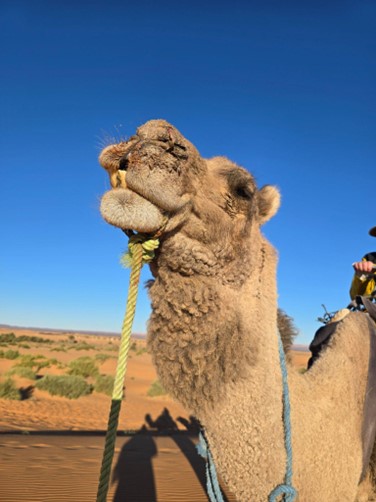
Camels are strong, reliable animals that have adapted to desert conditions for centuries. They are used in desert tours in Morocco because of their ability to travel long distances without water and handle heat better than most animals.
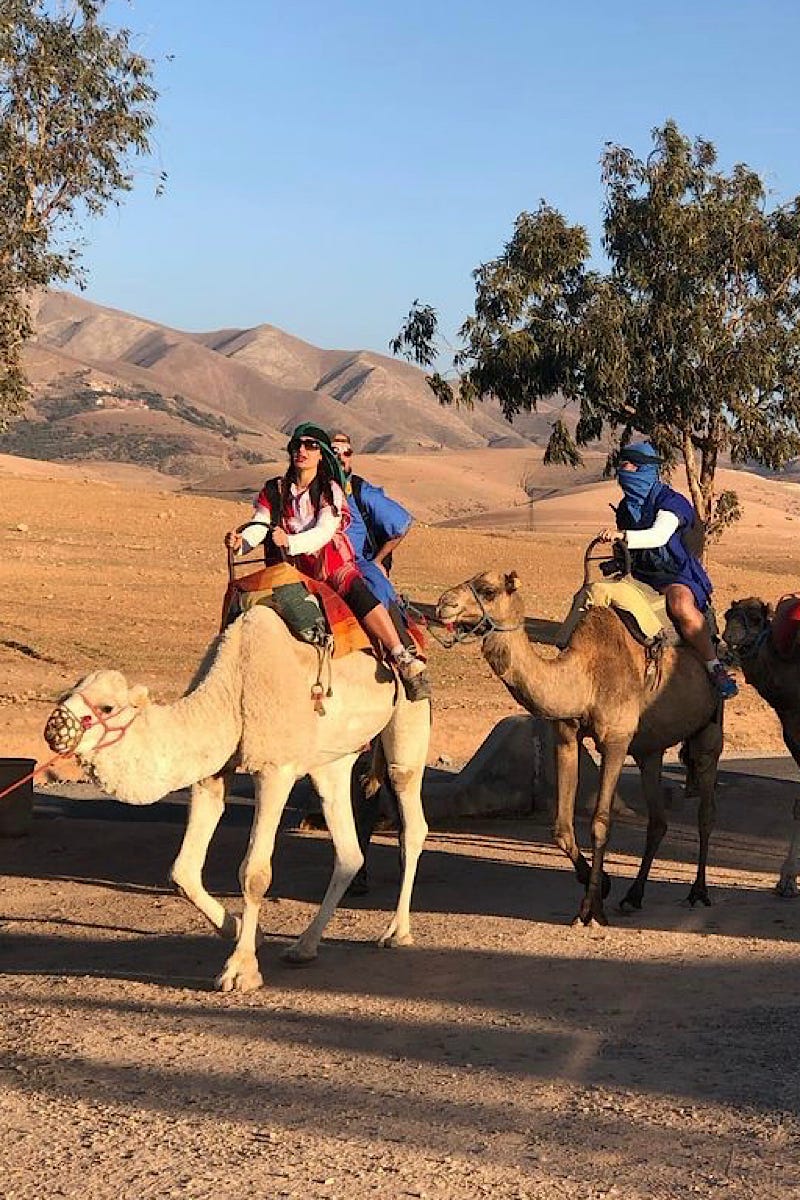
That said, they are still animals, and knowing how to interact with them makes a difference. Tour guides give short orientations before rides begin, explaining how to mount, dismount, and sit comfortably. You’ll also learn how to hold onto the saddle securely and what to do if the camel unexpectedly moves.
Most camel rides are led at a slow and steady pace, allowing riders to stay balanced. Helmets are usually not necessary unless you have specific medical needs, but long sleeves, proper footwear, and sun protection are highly recommended.
What Happens in an Emergency?
While emergencies are rare on a camel trek, guides are trained to handle them when they do occur. The most common issues are heat-related, such as dehydration or mild sunstroke. That’s why most operators advise travelers to carry water, wear breathable clothing, and avoid riding in the hottest hours of the afternoon.
In more serious cases, such as a medical emergency, the tour company will either return to the nearest outpost or contact local assistance through satellite devices. Routes are often planned near access roads for this reason. For longer treks, a 4×4 vehicle may follow at a distance as part of a safety backup.
Travelers are encouraged to bring a personal medical kit and inform the guide in advance about any medical conditions, dietary restrictions, or allergies.
Tips for Staying Safe
There are practical steps you can take to stay safe while enjoying a desert trek in Morocco:
- Hydrate: Drink plenty of water throughout the day and carry an insulated bottle.
- Protect your skin: Use high SPF sunscreen, wear sunglasses, and bring a scarf or turban to shield your face from the sun and sand.
- Choose the right clothing: Breathable, lightweight fabrics work best. Closed-toe shoes are safer for mounting and dismounting camels.
- Limit valuables: Avoid bringing electronics or items that can be easily damaged by sand or heat unless they are necessary.
- Carry a power bank: Multi-day camel trekking in the Sahara often mean no access to power outlets. Keeping your phone charged can help with photos, contact, or emergencies.
- Listen to your guide: Always follow the guide’s instructions, especially when dealing with animals or unfamiliar terrain.
These steps are easy to follow and add an extra layer of protection to the overall experience.
How the Weather Affects Safety
Weather plays a major role in planning and executing a desert tour from Marrakech. During summer, temperatures can exceed 45°C (113°F), making early morning or late afternoon rides safer. Winter brings cooler weather, which is ideal for longer rides but also requires warm layers for the night.
The best months for camel trekking Sahara tour options are between October and April. This timeframe offers a balance of warmth during the day and cooler temperatures at night, reducing the chance of heat exhaustion.
It’s also a good idea to check sandstorm forecasts. While rare, sandstorms can disrupt schedules. Guides stay informed through local networks and postpone rides if needed for your safety.
Group vs. Solo Tours: What’s Safer?
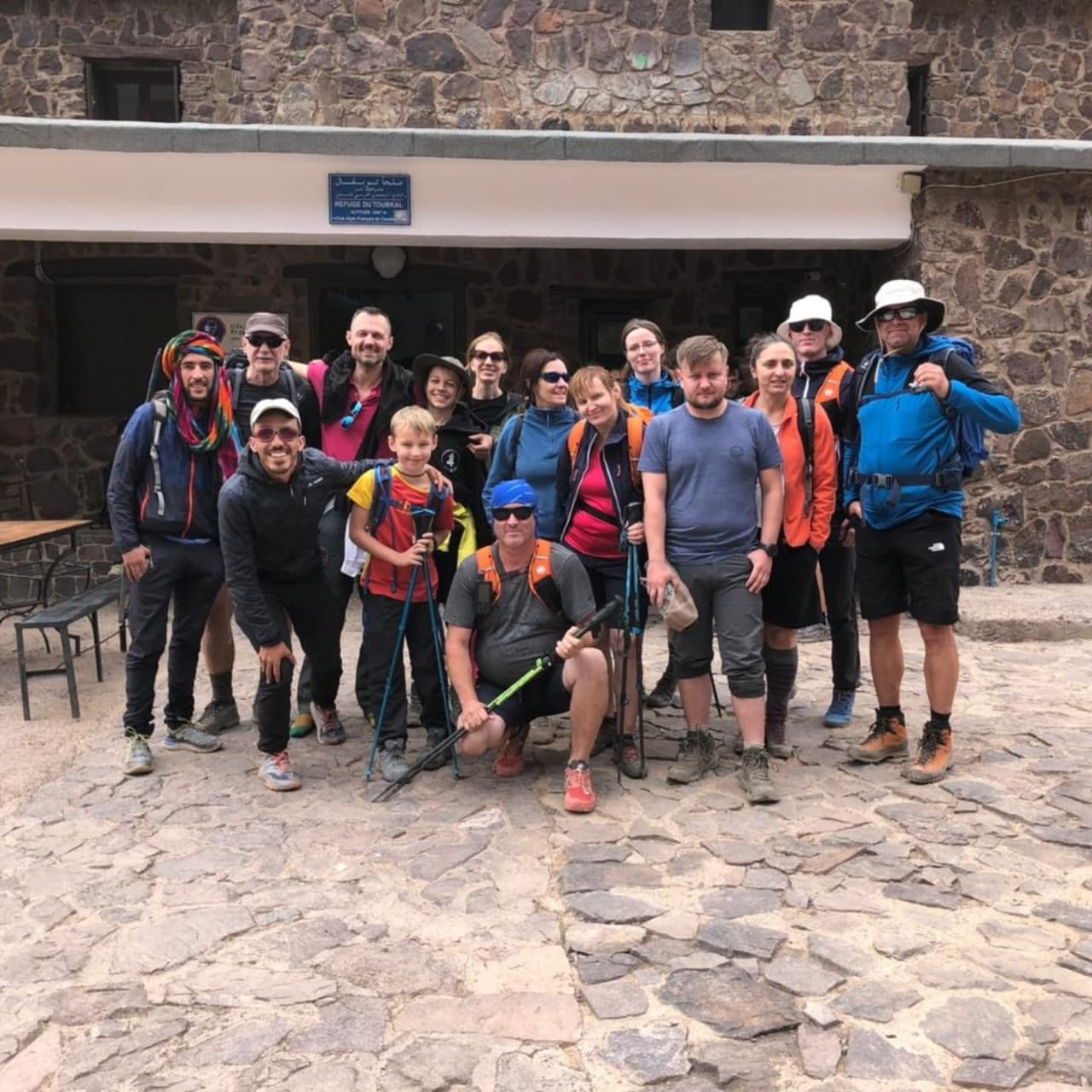
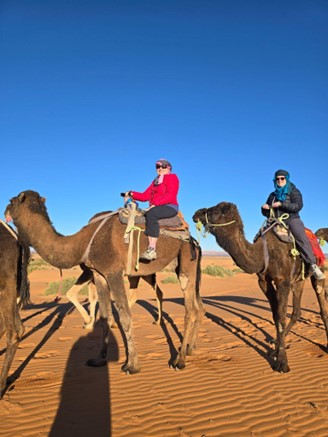
While some travelers prefer solo adventures, group experiences often provide better safety nets, especially in the desert. Small group tours and tours for solo travellers offer the opportunity to meet others while still keeping your independence. In group settings, the guide has more eyes and ears to assist, and support is more readily available in emergencies.
Additionally, group tours often include backup vehicles, support staff, and more structured schedules that reduce risks associated with getting lost or miscommunication.
That said, solo travelers can still safely enjoy camel trekking in Morocco desert areas by booking with reputable operators and making sure they are prepared physically and mentally.
Final Thoughts on Safety in the Sahara
Safety during camel trekking in the Sahara comes down to preparation, experienced guides, and responsible behavior. The desert environment may be unfamiliar, but with the right support and practical gear, it is possible to enjoy it without concern.
Those interested in pairing their desert experience with trekking in Morocco or planning an extended stay for trekking in Atlas Mountains can do so with added confidence. Both the desert and mountains offer secure and well-managed tour options when booked through trusted providers.
To stay safe, informed, and supported throughout the trip, consider booking your experience with Omar Adventures—a team that prioritizes your safety and offers guided options in both Morocco desert tours and Atlas Mountains hiking tours.
Contact us here.