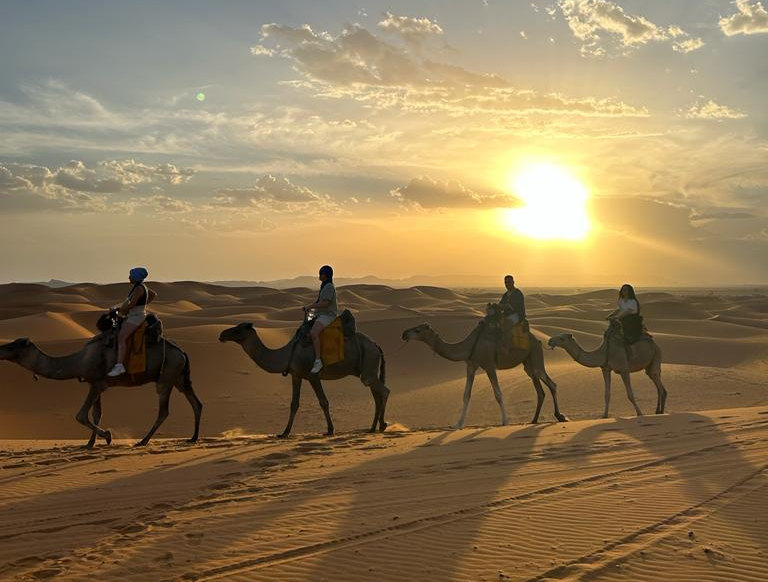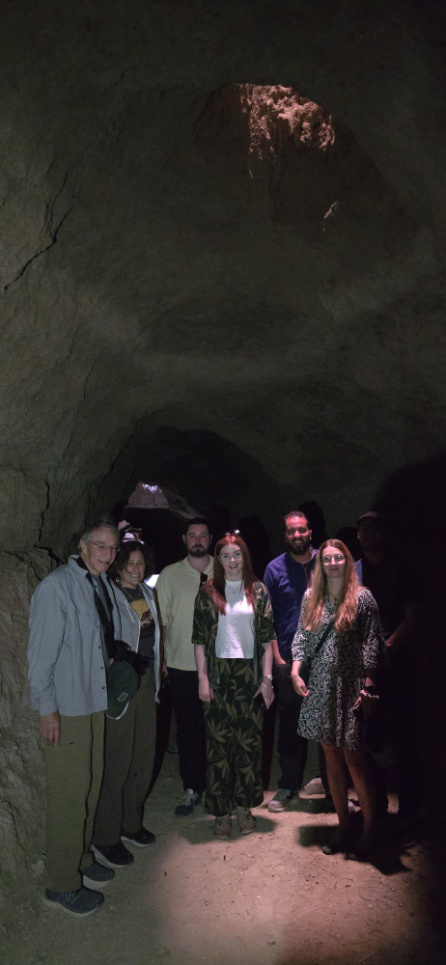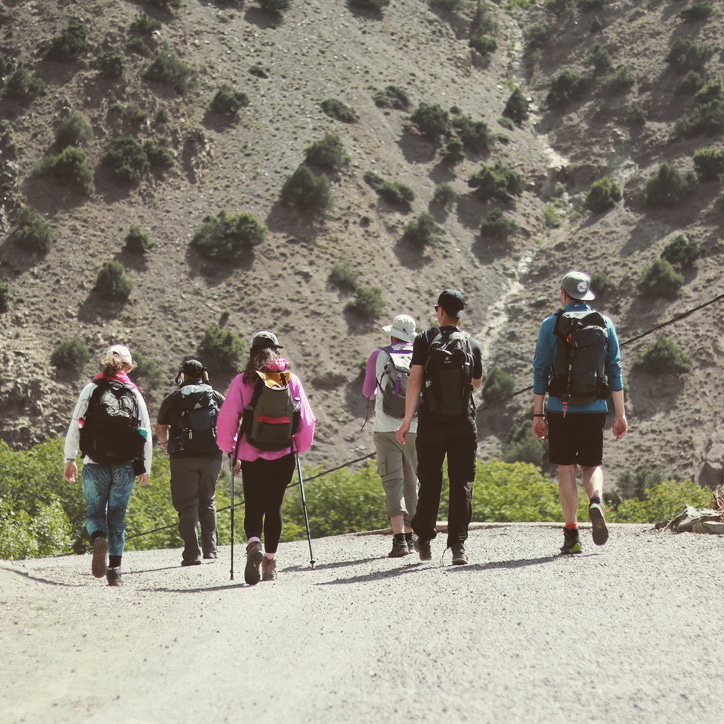
Preparing for a Morocco desert tour requires more than just casual vacation planning. Multi-day experiences in the Sahara or surrounding areas can include long hours on the road, overnight stays in tents, camel rides, and significant temperature shifts. Knowing what to bring can improve comfort, reduce stress, and help you stay focused on enjoying your surroundings. Whether joining Morocco guided tours or independent arrangements, packing thoughtfully matters.
Clothing: Dress for Function, Not Fashion
In the desert, comfort and protection matter more than appearance. Expect sun, sand, wind, and chilly evenings, even during warmer seasons. Light, breathable clothing during the day and warm layers for the night should be the foundation of your packing.
Recommended clothing includes:
- Long-sleeve, loose cotton shirts for sun protection
- Lightweight trousers or hiking pants
- A lightweight jacket or fleece for cooler nights
- A scarf or shemagh to shield your face and neck from sun and sand
- A wide-brimmed hat or cap with neck flap
- Moisture-wicking undergarments
You’ll want to avoid anything too tight or synthetic, as it may cause discomfort under the heat and won’t dry quickly if you sweat.
Footwear: Prioritize Comfort and Support
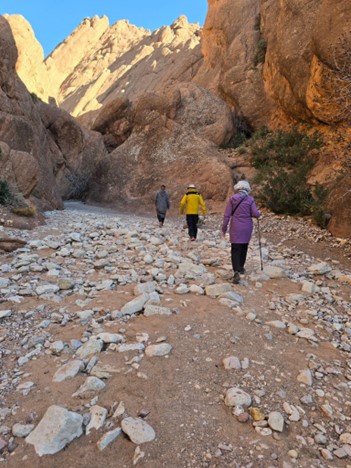
Shoes are one of the most important decisions when preparing for a desert tour. Whether you’re walking across sand dunes or stepping through rocky trails, good footwear helps prevent blisters and fatigue.
Choose broken-in, closed-toe walking shoes or lightweight hiking boots with ankle support. Sandals with a solid grip can work at camp, but shouldn’t be your main footwear.
Pack extra socks—preferably made from wool or synthetic blends—to prevent foot moisture and odor build-up, especially if you plan on trekking or joining desert tours in Morocco that include hiking segments.
Sun Protection: Don’t Take Risks
Desert sun exposure is intense and constant. Even with breathable clothing, UV protection needs attention. Apply sunscreen at least twice a day, and keep lip balm with SPF on hand.
Must-have sun protection items:
- Broad-spectrum sunscreen (SPF 30 or higher)
- Lip balm with SPF
- Sunglasses with UV protection
- Aloe vera gel or after-sun lotion
- Reusable water bottle or hydration bladder
Dehydration and sunburn are common mistakes, especially during long drives or camel rides in the heat. Staying covered and hydrated is a key part of safe travel in these conditions.
Sleep Essentials for Desert Nights
Evenings in the desert can be colder than expected, particularly in the dunes. If you’re sleeping in tents, sleeping gear quality can make a big difference.
Tour operators typically provide basic bedding, but packing extra comfort items is a good idea. For those on small group tours or tours for solo travellers, having personal sleep gear adds both comfort and peace of mind.
Consider bringing:
- A compact sleeping bag liner
- Thermal socks or sleepwear
- Inflatable travel pillow
- Earplugs (in case of wind or group noise)
Toiletries and Hygiene Items
Don’t count on full bathroom access at every stop. Many remote camps or stops on a desert tour from Marrakech may offer only basic amenities. Keeping things simple and compact will save space while covering your needs.
Hygiene essentials to pack:
- Wet wipes or baby wipes
- Hand sanitizer
- Biodegradable soap
- Toothbrush and travel-sized toothpaste
- Quick-dry towel
- Tissues or toilet paper
- Feminine hygiene products
Choose items that are lightweight, eco-friendly, and suitable for use without running water.
Tech and Power Essentials
Many desert areas have limited electricity. If photography, communication, or navigation are part of your tour needs, you’ll want gear that can operate independently for extended periods.
Recommended items include:
- Power banks (fully charged)
- Phone or camera with spare batteries
- USB cables and wall adapters
- Flashlight or headlamp with spare batteries
- Offline maps or downloaded apps
- Universal travel adapter (if coming from abroad)
Especially for those on Atlas Mountains hiking tours that overlap with desert regions, offline maps and backup power make a noticeable difference.
Food, Snacks, and Health Prep
Tour operators generally cover meals, but long drives and irregular stops make personal snacks important. Local shops may not carry familiar options, and camp food may be limited to set menus.
Bring durable, non-perishable snacks such as:
- Energy bars
- Trail mix
- Electrolyte tablets
- Dried fruits or nuts
For health, it’s recommended to carry:
- A basic first-aid kit
- Diarrhea and pain medication
- Motion sickness tablets (if traveling long distances)
- Any prescription medication in original packaging
Extras That Make a Difference
While not essential, some personal comfort items help make desert travel easier. Many travelers include these in their desert packing routine:
- Lightweight daypack for short walks
- Foldable tote for souvenirs or dirty laundry
- Notebook or journal
- Books or downloaded entertainment
- Reusable cutlery set
Think practically—if it serves a clear function and packs easily, it may be worth the space.
Prepare Well for a Better Experience
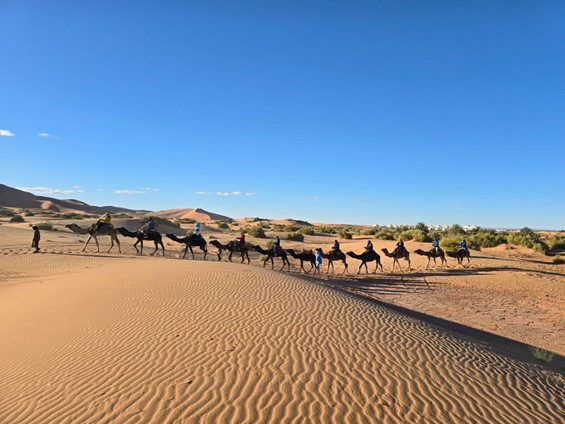
A Morocco desert tour is often a highlight for many travelers. Packing right ensures comfort, safety, and more energy for everything from camel rides to evening campfires. Whether you’re joining trekking in Morocco options or spending nights under the stars, a thoughtful list can reduce hassle and improve every part of your desert stay.
For those also considering trekking in Atlas Mountains or other active excursions, bringing multi-purpose gear—like sun protection items or good hiking shoes—will help stretch your luggage without sacrificing what you need.
To make the most of your time in Morocco, consider booking with providers who know the region well and offer support, flexibility, and guidance every step of the way. At Omar Adventures we offer smart, traveler-friendly options for everything from trekking to organized desert tours in Morocco with expert local support.
Contact us today.